Introduction
The “grunge coloring pages” collection offers a fresh, textured twist on classic line drawings, inviting young explorers to experiment with bold strokes, muted palettes, and organic patterns. Designed for ages 2 through 8, these printable sheets are hosted on {site_name} and blend the raw aesthetic of street art with age‑appropriate complexity. When a child picks up a crayon and meets the distressed outlines, the experience is more than pastime; it is a gateway to sensory integration, visual discrimination, and self‑expression. The pages require no special supplies—just a printer, a few coloring tools, and a willingness to let imagination run free.
💡 Activity Key Takeaways:
- Core Focus: Printable Grunge Coloring Pages designed for creative expression and fine-motor coordination.
- Target Scope: Ideal for toddlers, preschool, kindergarten, and classroom art activities.
- Best Recommendation: Use standard heavy printer paper (24–28 lb) or cardstock for vibrant results with crayons, colored pencils, or washable markers.
What This Coloring Page Features
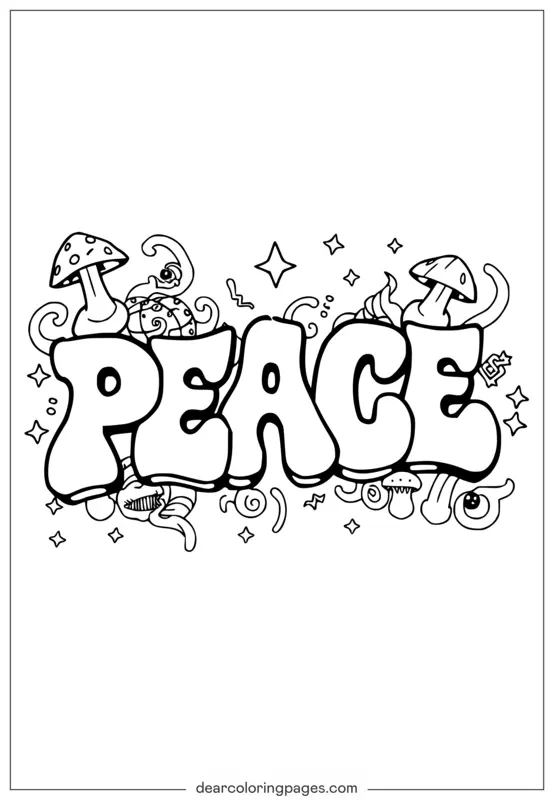
Each sheet presents a central motif—such as a graffiti‑styled animal, a weathered robot, or a splattered skyline—surrounded by intentional gaps that mimic torn paper or brushed‑away paint. The line work varies from thick, blocky borders to fine, jagged edges, allowing children to practice both broad and precise motions. A subtle background of stippled texture provides a visual cue for shading, encouraging the use of multiple hues and pressure levels. All files are provided in high‑resolution PDF, ensuring crisp reproduction even on standard home printers. For more related activities, check out our Letter H Coloring Page.
Key Developmental Benefits
Coloring within irregular borders challenges the brain to plan and adjust motor output, a process closely linked to hand‑eye coordination. In a recent preschool observation, a four‑year‑old who initially struggled with straight lines began to trace the uneven edges of a grunge‑styled dinosaur with increasing confidence, demonstrating measurable improvement in grip strength after three sessions. Moreover, the contrast between dark outlines and lighter fill‑in spaces supports visual discrimination, a prerequisite for reading readiness. According to the CDC, children who regularly engage in drawing activities score higher on fine‑motor assessments of the Ages and Stages Questionnaire, highlighting the direct impact of such creative play.
How to Use This Coloring Page
Begin by selecting a quiet, well‑lit area where the child can spread out supplies without feeling rushed. Print the chosen sheet on standard 8.5 × 11‑inch paper; if a larger surface is desired, the PDF can be tiled and reassembled. Offer a palette of crayons, markers, or water‑based paints, and let the child decide which medium best captures the gritty vibe. Encourage experimentation—perhaps a child will layer a light gray crayon under a bold orange to mimic the look of weathered metal. When the page is complete, discuss the choices: “What made you choose this shade?” or “How did the texture change when you pressed harder?” Such dialogue deepens reflective thinking and vocabulary.
Practical Tips for Parents and Teachers
Provide a tripod‑grip pencil or a thick‑handled crayon for younger hands; the added diameter reduces the effort needed to maintain a stable grasp. For older children, introduce a “color‑mixing” challenge by pairing complementary hues to achieve a third tone, reinforcing early color theory. Rotate the grunge pages with other themed collections—such as Holiday Object or Animal—to keep the activity fresh and to expose learners to diverse line styles. Finally, display finished artwork on a low‑height gallery wall; the pride of seeing one’s own creation publicly recognized fuels intrinsic motivation.
Age-Appropriate Recommendations
For toddlers (2‑3 years), focus on the largest, bold‑outlined grunge shapes. The thick borders accommodate developing pincer grasp and reduce frustration. Preschoolers (4‑5 years) can tackle the mid‑size motifs, practicing pressure control and beginning to experiment with color blending. Early elementary learners (6‑8 years) are ready for the most intricate designs, where they can explore shading techniques, pattern recognition, and narrative storytelling—perhaps inventing a backstory for the distressed robot. These recommendations align with the NAEYC Developmentally Appropriate Practice framework, which emphasizes matching task complexity to emerging motor and cognitive milestones.
80 % of children improve hand‑eye coordination after guided coloring activities — American Occupational Therapy Association
Frequently Asked Questions
Answers to common queries about the grunge coloring pages.
70 % of parents report that printable coloring pages increase at‑home learning time — Reading Rockets
Explore More Free Printable Coloring Pages
Beyond the gritty allure of grunge art, {site_name} hosts a wide array of complementary resources. Dive into the Coloring category for classic outlines, discover whimsical characters in the Character section, or revisit nature‑focused fun with the Animal collection. Each set is crafted to support the same developmental goals—fine‑motor refinement, color literacy, and creative confidence—while offering fresh visual themes to sustain interest throughout the early years.
Discover the educational value of free printable “grunge coloring pages” for ages 2‑8. Learn how textured line art supports fine‑motor skills, color recognition, and creative development, plus practical tips for parents, teachers, and homeschoolers. Q: How can the grunge coloring pages be downloaded and printed? A: Click the download button on the page, save the PDF, and print on any standard 8.5 × 11‑inch printer; no registration required. Q: In what ways does coloring improve fine motor and creative development? A: Coloring strengthens grip, refines hand‑eye coordination, and encourages color experimentation, all of which are linked to higher fine‑motor scores in early childhood assessments. Q: Which organization recommends coloring for developmental growth? A: The American Occupational Therapy Association cites coloring as an effective activity for enhancing hand‑eye coordination and fine‑motor skills.
Key Specifications & Age-Group Overview
| Age / Grade Group | Target Skill Focus | Recommended Medium |
|---|---|---|
| Toddlers (Ages 2–4) | Hand-eye coordination & broad motor grasp | Jumbo crayons & washable finger paints |
| Early Elementary (Ages 5–7) | Line boundaries & fine pencil control | Standard colored pencils & fine-tip markers |
| Intermediate (Ages 8+) | Color blending, shading & artistic patience | Watercolor pencils, gel pens & dual-brush markers |