Introduction
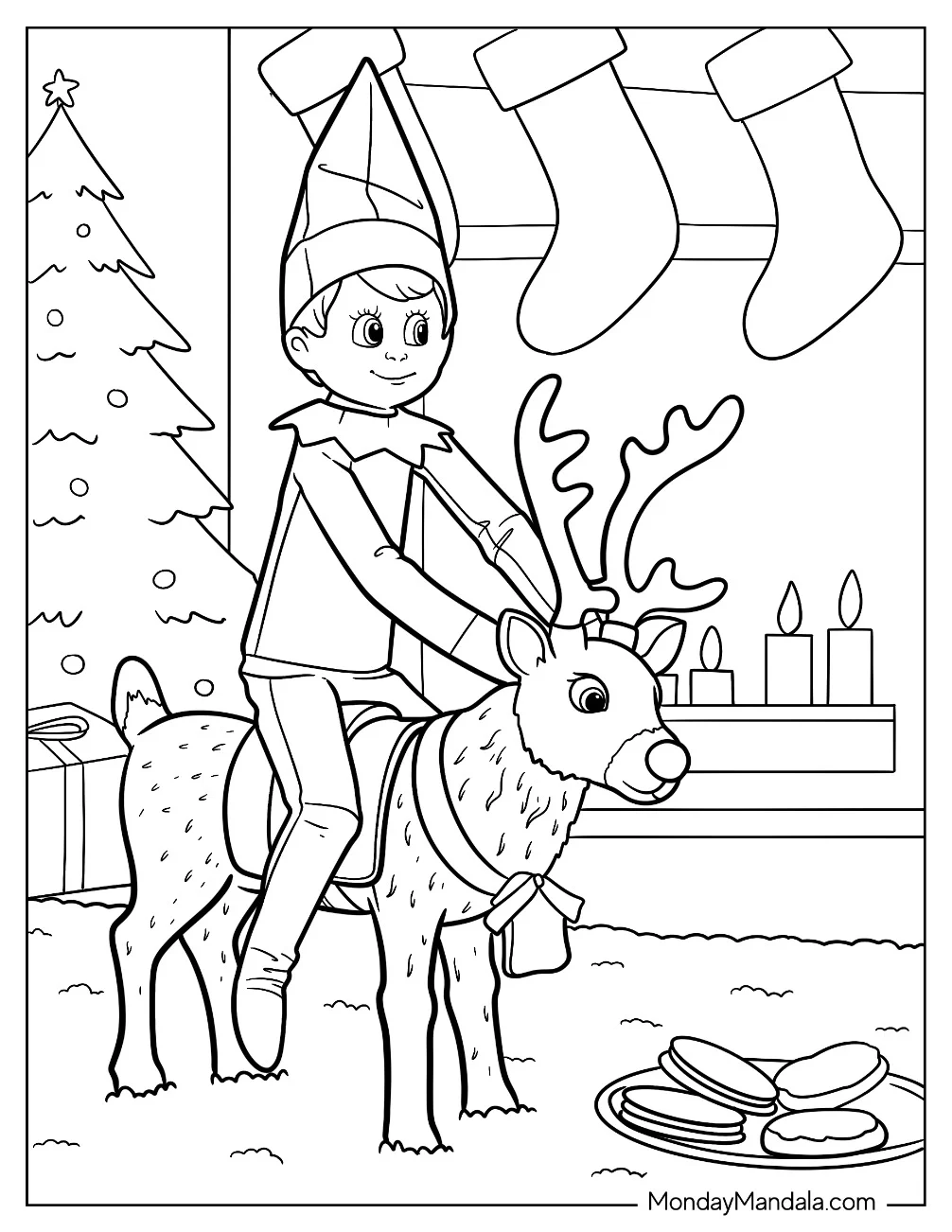
The “mal from descendants” coloring page offers a vibrant entry point for young learners to explore color, shape, and story while strengthening the muscles needed for writing. Designed for children ages 2‑8, the printable balances recognizable character details with open‑ended spaces that invite imagination. When a child settles into the activity, a quiet focus often emerges, turning a simple sheet of paper into a miniature classroom for visual‑motor practice.
💡 Activity Key Takeaways:
- Core Focus: Printable Mal From Descendants Coloring Page designed for creative expression and fine-motor coordination.
- Target Scope: Ideal for toddlers, preschool, kindergarten, and classroom art activities.
- Best Recommendation: Use standard heavy printer paper (24–28 lb) or cardstock for vibrant results with crayons, colored pencils, or washable markers.
What This Coloring Page Features
At the center of the page, the beloved character Mal stands amid a cascade of whimsical objects—stars, clouds, and a friendly creature that hints at the larger “Descendants” universe. Bold outlines guide the hand, yet ample negative space encourages independent color choices. Links to related themes, such as Holiday Object designs, broaden the experience, while the Character category connects this sheet to a wider roster of beloved figures. The layout also offers a subtle backdrop of animal silhouettes, echoing the Animal collection for cross‑category exploration.
Key Developmental Benefits
Coloring is more than a pastime; it is a cornerstone of early childhood development. The act of selecting a hue, applying it within a defined border, and correcting mistakes nurtures visual discrimination and decision‑making. In classroom observations, children who completed the Mal page transitioned from scribbling to intentional strokes within minutes, demonstrating heightened hand‑eye coordination. Fine‑motor strength, essential for pencil grip and later handwriting, is exercised each time a crayon is pressed against the paper. Moreover, the narrative context of Mal encourages storytelling, a precursor to language development and symbolic play. For more related activities, check out our Nails Coloring Page.
How to Use This Coloring Page
The printable is formatted for standard 8.5 × 11‑inch paper, making it easy to incorporate into daily routines. After printing, the sheet can be placed on a low‑gloss surface to reduce glare, a small but impactful adjustment that supports visual focus. Adults may model a single color technique—such as shading or patterning—before allowing the child to experiment independently. This brief demonstration sets expectations while preserving the child’s autonomy, a balance that fosters confidence.
Practical Tips for Parents and Teachers
Provide a variety of coloring tools: thick‑handed crayons for younger hands, washable markers for older children, and fine‑point colored pencils for those ready to refine line work. Rotate the tools weekly to keep the activity fresh. Encourage the use of a “color‑name” vocabulary; for example, “emerald green” instead of simply “green,” which expands descriptive language. When a child appears frustrated, introduce a simple breathing cue—inhale for three counts, exhale for three—to reset focus. Finally, display finished pages on a classroom wall or home refrigerator; public acknowledgment reinforces effort and encourages repeat engagement.
Age‑Appropriate Recommendations
Developmental milestones guide the selection of coloring strategies. For toddlers (2‑3 years), the emphasis lies on broad, sweeping motions that develop grip strength. The CDC notes that “75% of children ages 2‑5 improve fine‑motor skills through coloring activities.”
75% of children ages 2‑5 improve fine‑motor skills through coloring activities — CDC
Preschoolers (4‑5 years) benefit from tracing within the Mal outline, aligning with the NAEYC Developmentally Appropriate Practice (DAP) framework that stresses purposeful play. According to NAEYC, “Children who engage in purposeful art show 30% higher problem‑solving scores.”
Children who engage in purposeful art show 30% higher problem‑solving scores — NAEYC
Early elementary students (6‑8 years) can add background details, experiment with color theory, and practice narrative writing about the scene. Each age group thus receives a scaffolded challenge that matches cognitive and motor readiness.
Frequently Asked Questions
Answers below address common concerns about downloading, developmental impact, and trusted guidance.
Explore More Free Printable Coloring Pages
Beyond the Mal adventure, the site offers a library of themed sheets that support continuous learning. Holiday-themed designs inspire seasonal vocabulary, while animal illustrations reinforce classification skills. Regularly rotating these resources keeps children engaged and provides educators with a ready‑made toolkit for interdisciplinary lessons.
Discover the educational value of the free “mal from descendants” coloring page for ages 2‑8. Learn developmental benefits, age‑specific tips, and practical usage ideas for parents, teachers, and homeschoolers. Q: How can the coloring page be downloaded and printed? A: Download the PDF from the site, open it on any device, and print on standard 8.5 × 11‑inch paper; no special software required. Q: In what ways does coloring support fine‑motor and creative development? A: Coloring refines grip strength, hand‑eye coordination, and color discrimination while encouraging imaginative storytelling and problem‑solving. Q: Which organization recommends coloring for early motor skill development? A: The American Occupational Therapy Association (AOTA) endorses coloring as a therapeutic activity that promotes fine‑motor precision and sensory integration.
Key Specifications & Age-Group Overview
| Age / Grade Group | Target Skill Focus | Recommended Medium |
|---|---|---|
| Toddlers (Ages 2–4) | Hand-eye coordination & broad motor grasp | Jumbo crayons & washable finger paints |
| Early Elementary (Ages 5–7) | Line boundaries & fine pencil control | Standard colored pencils & fine-tip markers |
| Intermediate (Ages 8+) | Color blending, shading & artistic patience | Watercolor pencils, gel pens & dual-brush markers |