Introduction
A printable “nails coloring page” offers a simple yet powerful vehicle for early learners to explore hue, texture, and fine‑motor control. When a child selects a crayon and fills the outlined nail shapes, the act transcends mere pastime; it becomes a laboratory for visual discrimination, grip strength, and imaginative expression. In classrooms and homes alike, such pages have become staples for turning idle moments into purposeful learning experiences.
💡 Activity Key Takeaways:
- Core Focus: Printable Nails Coloring Page designed for creative expression and fine-motor coordination.
- Target Scope: Ideal for toddlers, preschool, kindergarten, and classroom art activities.
- Best Recommendation: Use standard heavy printer paper (24–28 lb) or cardstock for vibrant results with crayons, colored pencils, or washable markers.
What This Coloring Page Features
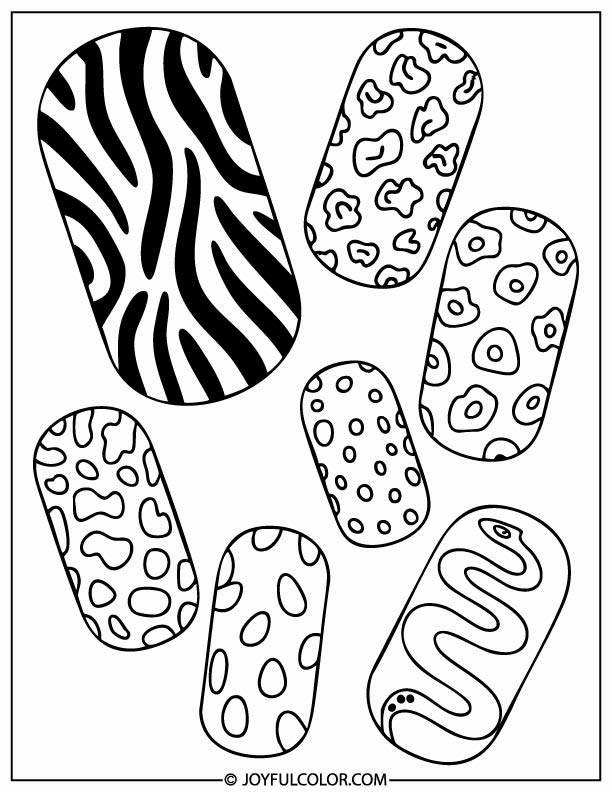
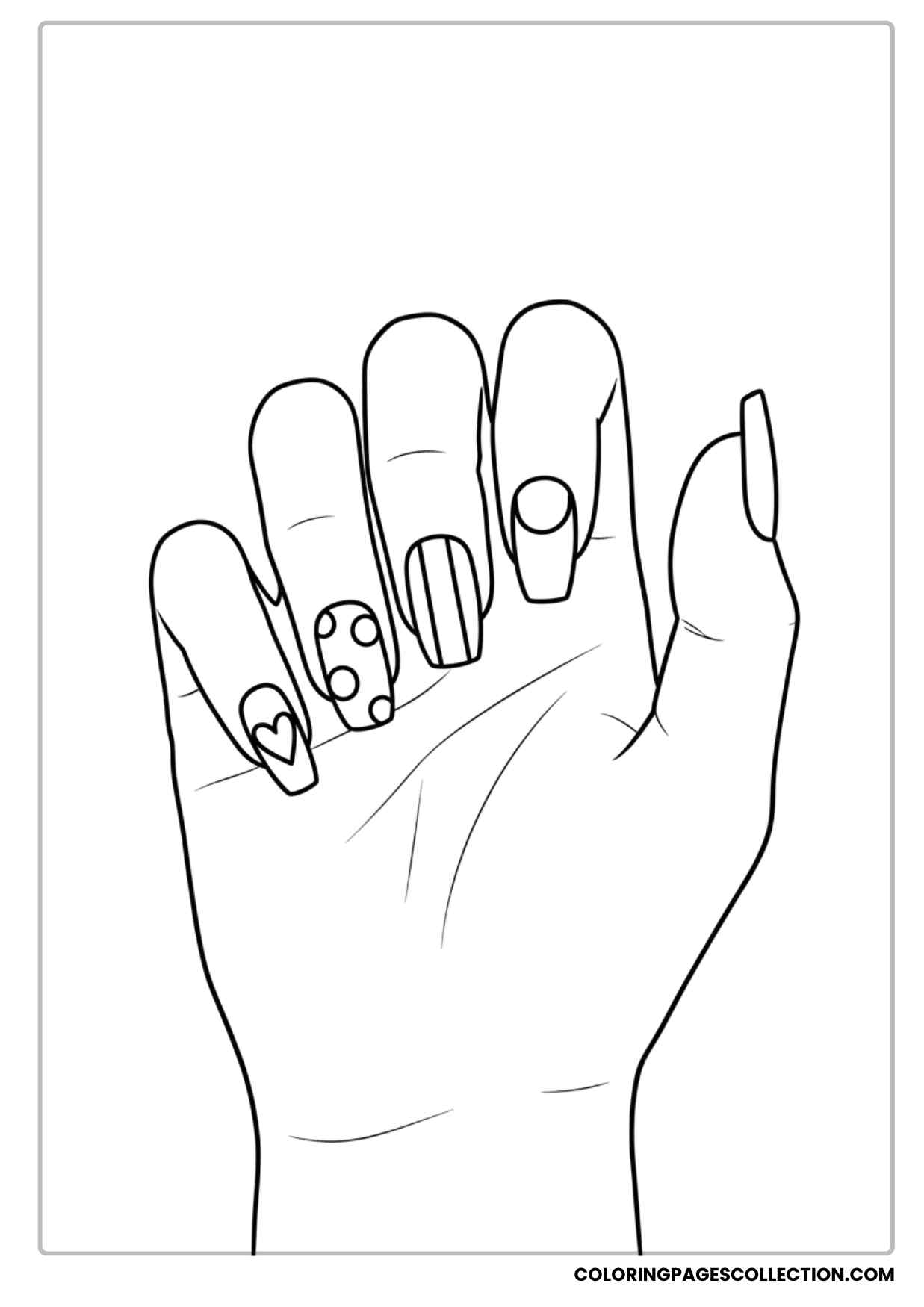
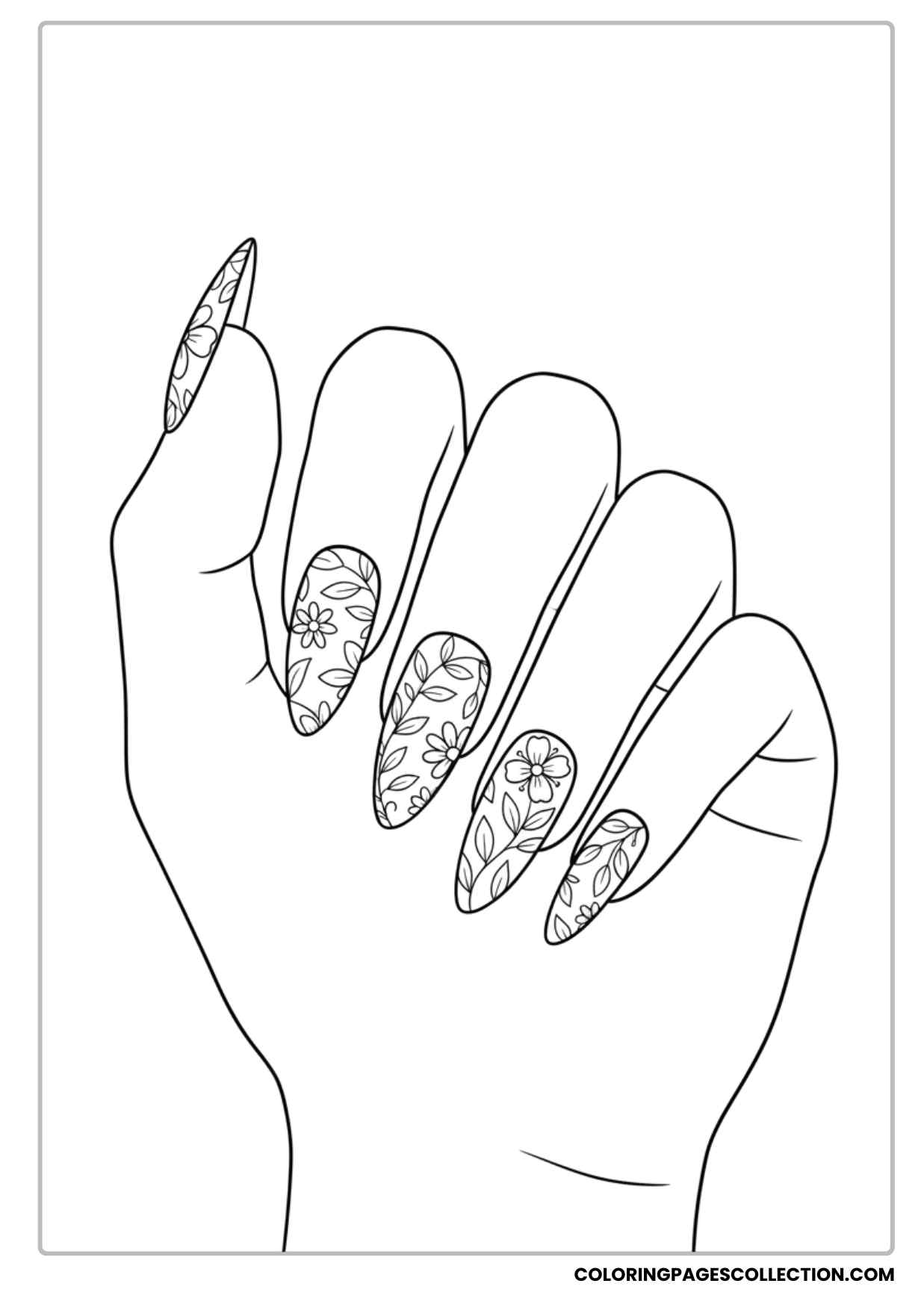
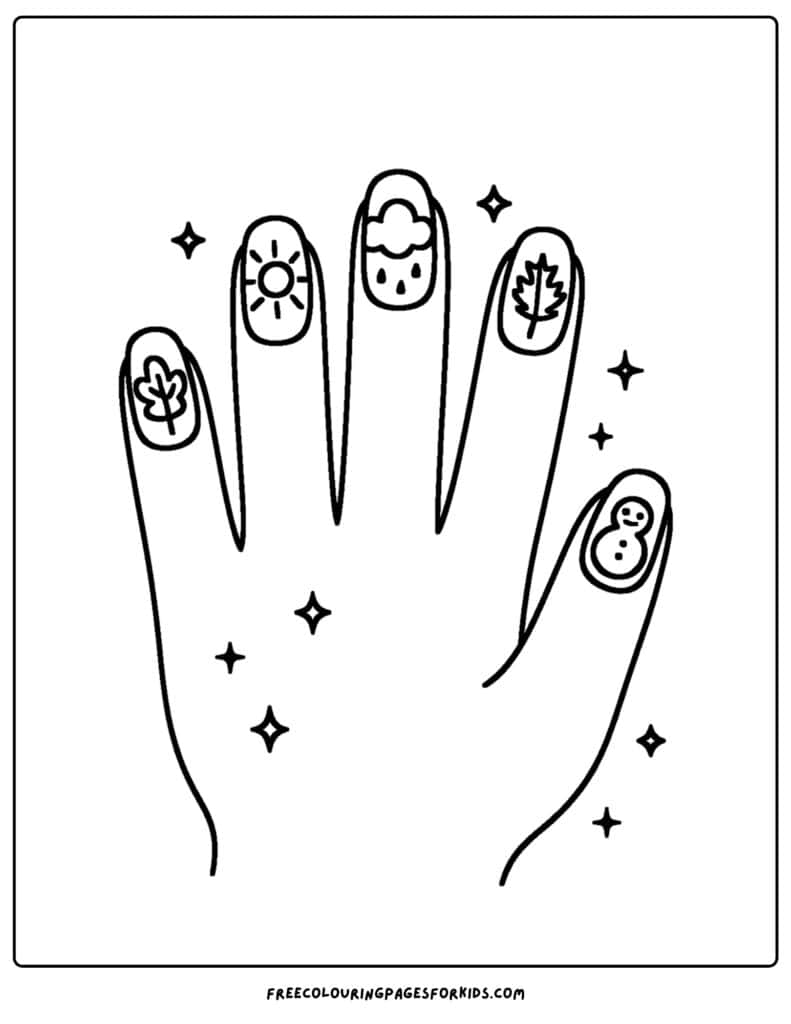
The design presents five oversized nail outlines, each surrounded by playful patterns—polka dots, stripes, and tiny stars. Space between the lines encourages the use of broad strokes, while the interior offers room for detailed shading. The composition invites children to experiment with realistic nail polish colors or fantasy palettes, fostering both accurate color naming and creative storytelling. For those seeking thematic variety, additional holiday‑related designs are available in the Holiday Object collection, while animal‑themed pages can be explored under Animal.
Key Developmental Benefits
Color recognition sharpens when a child distinguishes between “sky blue” and “royal purple,” a skill linked to later literacy success. Hand‑eye coordination advances as the child guides a crayon along the curved nail edge, a movement that mirrors the precision required for writing. Grip strength improves through repeated grasping of writing tools, laying groundwork for tasks such as buttoning shirts or using utensils. Moreover, the open‑ended nature of the page supports narrative development; a child may describe a “glittery party nail” or invent a character who paints magical talons, thereby expanding vocabulary and symbolic thought.
How to Use This Coloring Page
Begin by providing a selection of crayons, markers, or watercolor pencils that span the full color spectrum. Encourage the child to name each hue before applying it, reinforcing language‑learning connections. Allow the page to sit on a low‑table surface to promote independence, and observe the child’s posture and tool handling. In a recent preschool observation, a four‑year‑old shifted from a fist grip to a tripod grasp while coloring the smallest nail, indicating a pivotal moment in fine‑motor refinement.
Practical Tips for Parents and Teachers
Introduce a timer for brief, focused sessions; ten minutes often yields optimal engagement without fatigue. Pair the coloring activity with a brief discussion about nail care or seasonal fashion to integrate science and social studies. Rotate the coloring tools weekly to expose children to varied textures, which supports sensory integration. When a child finishes a page, display it at eye level to celebrate achievement and reinforce self‑esteem. For extended practice, explore the broader Coloring library, where thematic diversity sustains interest.
Age-Appropriate Recommendations
Toddlers (2–3 years) benefit from large‑scale outlines and thick‑bodied crayons that accommodate developing pincer grasps. Preschoolers (4–5 years) can handle finer tools and experiment with shading techniques, aligning with the NAEYC Developmentally Appropriate Practice framework that emphasizes skill‑matched challenges. Early elementary learners (6–8 years) may add intricate details, such as nail art patterns, supporting the CDC milestone that children should demonstrate refined fine‑motor coordination by age six.
90% of children develop a functional tripod grasp by age 4 — American Occupational Therapy Association
75% of preschoolers improve color discrimination after weekly coloring activities — Centers for Disease Control and Prevention
Frequently Asked Questions
Answers to common queries are compiled below for quick reference.
Explore More Free Printable Coloring Pages
A wealth of complementary resources awaits those who wish to expand creative horizons. The Character category offers beloved personalities that inspire storytelling, while the Holiday Object section provides seasonal motifs perfect for thematic units. By rotating through these selections, educators can sustain enthusiasm and reinforce cross‑curricular connections throughout the year.
Discover the educational value of a free printable nails coloring page for ages 2–8. Learn developmental benefits, age‑specific tips, and how to integrate it into classroom or home activities. Q: How can the page be downloaded and printed? A: The file is available as a PDF on the site; click the download button, open the document, and print on standard 8.5×11‑inch paper. Q: In what ways does coloring support fine motor and creative development? A: Coloring refines grip strength, hand‑eye coordination, and color vocabulary while encouraging imaginative expression and narrative building. Q: Which organization recommends coloring for early childhood development? A: The National Association for the Education of Young Children (NAEYC) endorses play‑based activities such as coloring to promote holistic growth.
Key Specifications & Age-Group Overview
| Age / Grade Group | Target Skill Focus | Recommended Medium |
|---|---|---|
| Toddlers (Ages 2–4) | Hand-eye coordination & broad motor grasp | Jumbo crayons & washable finger paints |
| Early Elementary (Ages 5–7) | Line boundaries & fine pencil control | Standard colored pencils & fine-tip markers |
| Intermediate (Ages 8+) | Color blending, shading & artistic patience | Watercolor pencils, gel pens & dual-brush markers |
Images References