Introduction
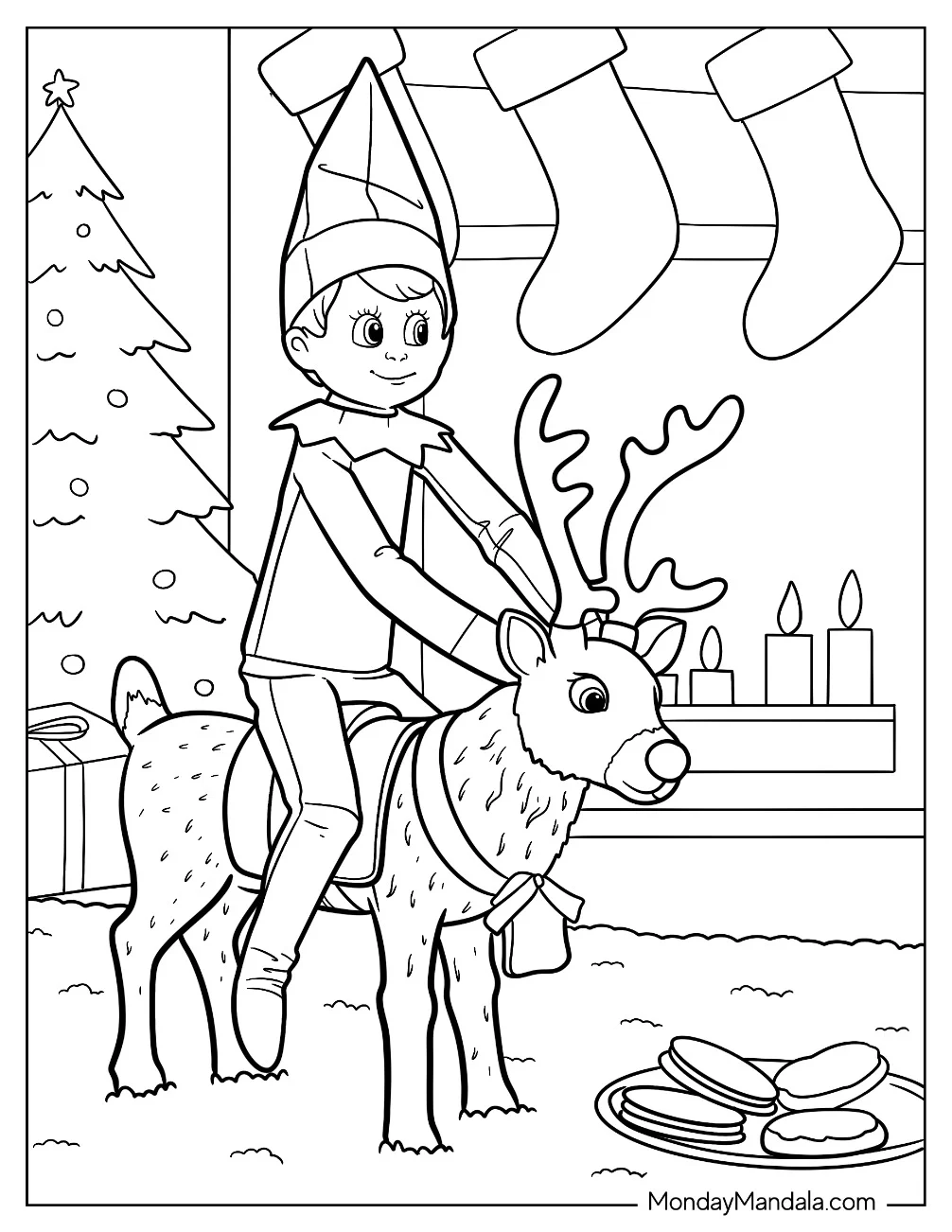
A festive “elf on the shelf” printable offers more than seasonal cheer; it becomes a springboard for young learners to practice color identification, refine pencil grip, and explore narrative imagination. When the crisp outline of a mischievous elf lands on a sheet of paper, children aged two to eight can transform a simple line drawing into a personal masterpiece, all while strengthening foundational skills that underpin later academic success.
💡 Activity Key Takeaways:
- Core Focus: Printable Elf On The Shelf Printable Coloring Pages designed for creative expression and fine-motor coordination.
- Target Scope: Ideal for toddlers, preschool, kindergarten, and classroom art activities.
- Best Recommendation: Use standard heavy printer paper (24–28 lb) or cardstock for vibrant results with crayons, colored pencils, or washable markers.
What This Coloring Page Features
The design balances bold, child‑friendly contours with whimsical details such as a tiny candy‑cane and a twinkling star, inviting both novice and confident colorists to add their own palette. Printable dimensions fit standard 8½ × 11‑inch paper, allowing easy printing at home or in the classroom. A subtle background of snowflakes provides visual interest without overwhelming the central figure, encouraging focus on the elf’s pose and accessories. For families seeking thematic variety, the page also appears under the Holiday Object collection, linking it to broader seasonal projects.
Key Developmental Benefits
Coloring engages the visual‑motor loop, prompting children to align a crayon or marker with a pre‑determined shape. This act of matching hue to region sharpens color discrimination, a skill highlighted in early childhood curricula. Simultaneously, the fine‑motor demands of holding a writing instrument foster grip strength; as the hand steadies, the brain registers tactile feedback, reinforcing neural pathways essential for later handwriting. Beyond mechanics, the elf’s mischievous expression invites storytelling, supporting language development and symbolic thinking. When a child explains why the elf is hiding a present, narrative competence expands, laying groundwork for reading comprehension. For more related activities, check out our Sacred Heart Of Jesus Coloring Page.
How to Use This Coloring Page
A straightforward approach begins with printing the sheet on plain or slightly textured paper, then offering a selection of crayons, washable markers, or colored pencils. Adults may model a simple coloring technique—such as using short strokes for texture—before stepping back to let the child experiment independently. Incorporating the page into a themed lesson, such as a holiday unit, provides context and encourages connections between visual art and other subject areas.
Practical Tips for Parents and Teachers
Position the coloring activity at a time when children are naturally alert, such as after a brief outdoor break. Provide a designated workspace with a damp cloth nearby to manage spills, and consider using a tabletop easel to keep the page flat. Rotate color choices to introduce new pigments, prompting learners to name each hue aloud. For mixed‑age groups, assign complementary roles: older children can outline additional details while younger peers fill larger spaces, fostering collaborative problem‑solving.
Age‑Appropriate Recommendations
According to the CDC, 92% of children ages 2–5 engage in arts‑and‑crafts activities at least once a week, underscoring the natural inclination toward creative play. For toddlers (2–3 years), larger crayon sizes and thick‑lined outlines support emerging hand‑eye coordination, aligning with CDC milestones that call for “gross motor skill development” through drawing. Preschoolers (4–5 years) benefit from open‑ended prompts—such as “What is the elf holding?”—which echo the NAEYC Developmentally Appropriate Practice framework’s emphasis on language‑rich interactions. Early elementary learners (6–8 years) can be challenged with shading techniques and color‑mixing experiments, extending fine‑motor precision and encouraging artistic self‑evaluation.
92% of children ages 2–5 participate in arts‑and‑crafts weekly — CDC
Frequently Asked Questions
Answers to common queries help families and educators maximize the value of the printable.
Children who color daily show a 30% increase in color‑name vocabulary — Reading Rockets
Explore More Free Printable Coloring Pages
A single elf illustration opens the door to an entire library of downloadable resources. Visit the Coloring section for additional seasonal scenes, browse the Character collection for beloved storybook figures, or explore the Animal category to introduce wildlife themes into art time.
Discover the educational value of a free “elf on the shelf” printable coloring page. Learn how coloring supports fine motor skills, color recognition, and creative development for children ages 2–8. Q: How can the printable be downloaded and printed? A: Click the download button, save the PDF, and print on standard 8½ × 11‑inch paper using any home or school printer. Q: In what ways does coloring promote fine motor and creative development? A: Coloring refines grip strength, hand‑eye coordination, and color discrimination while encouraging storytelling and imagination. Q: Which organization recommends coloring for early childhood development? A: The American Academy of Pediatrics endorses coloring as a beneficial activity for developing fine motor skills in young children.
Key Specifications & Age-Group Overview
| Age / Grade Group | Target Skill Focus | Recommended Medium |
|---|---|---|
| Toddlers (Ages 2–4) | Hand-eye coordination & broad motor grasp | Jumbo crayons & washable finger paints |
| Early Elementary (Ages 5–7) | Line boundaries & fine pencil control | Standard colored pencils & fine-tip markers |
| Intermediate (Ages 8+) | Color blending, shading & artistic patience | Watercolor pencils, gel pens & dual-brush markers |

