Introduction
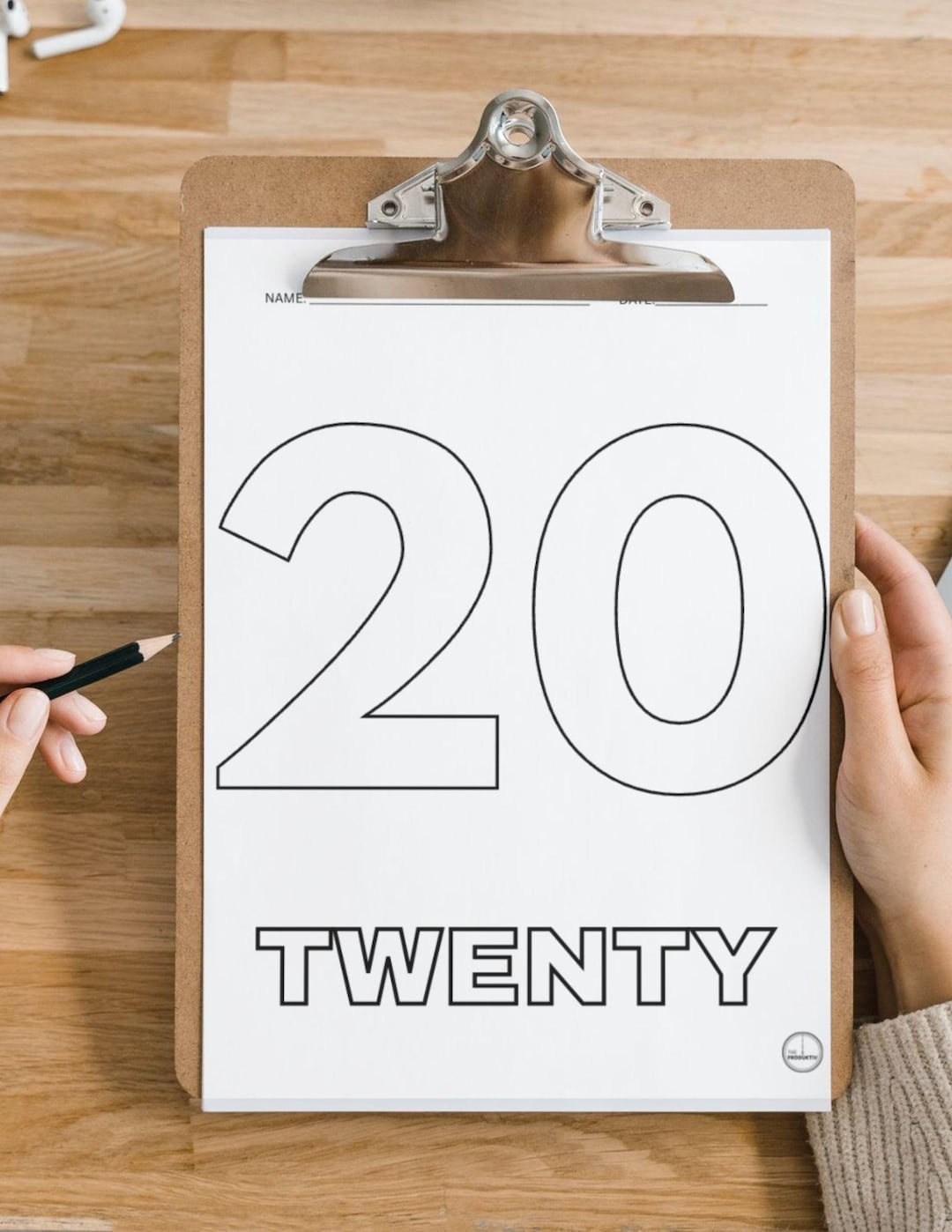
The “Number 20 Coloring Page” offers a simple yet powerful way for young learners to explore numeracy while practicing fine‑motor skills. Designed for children ages 2–8, the printable combines a bold numeral with playful decorative elements that invite crayons, markers, or watercolor pencils. When a child adds color to the twenty‑shaped outline, the act of choosing hues, staying within the lines, and completing the design supports multiple areas of development simultaneously. This resource fits easily into classroom centers, homeschool lesson plans, or a quiet moment at home, providing a low‑stress activity that aligns with early‑learning standards.
💡 Activity Key Takeaways:
- Core Focus: Printable Number 20 Coloring Page designed for creative expression and fine-motor coordination.
- Target Scope: Ideal for toddlers, preschool, kindergarten, and classroom art activities.
- Best Recommendation: Use standard heavy printer paper (24–28 lb) or cardstock for vibrant results with crayons, colored pencils, or washable markers.
What This Coloring Page Features
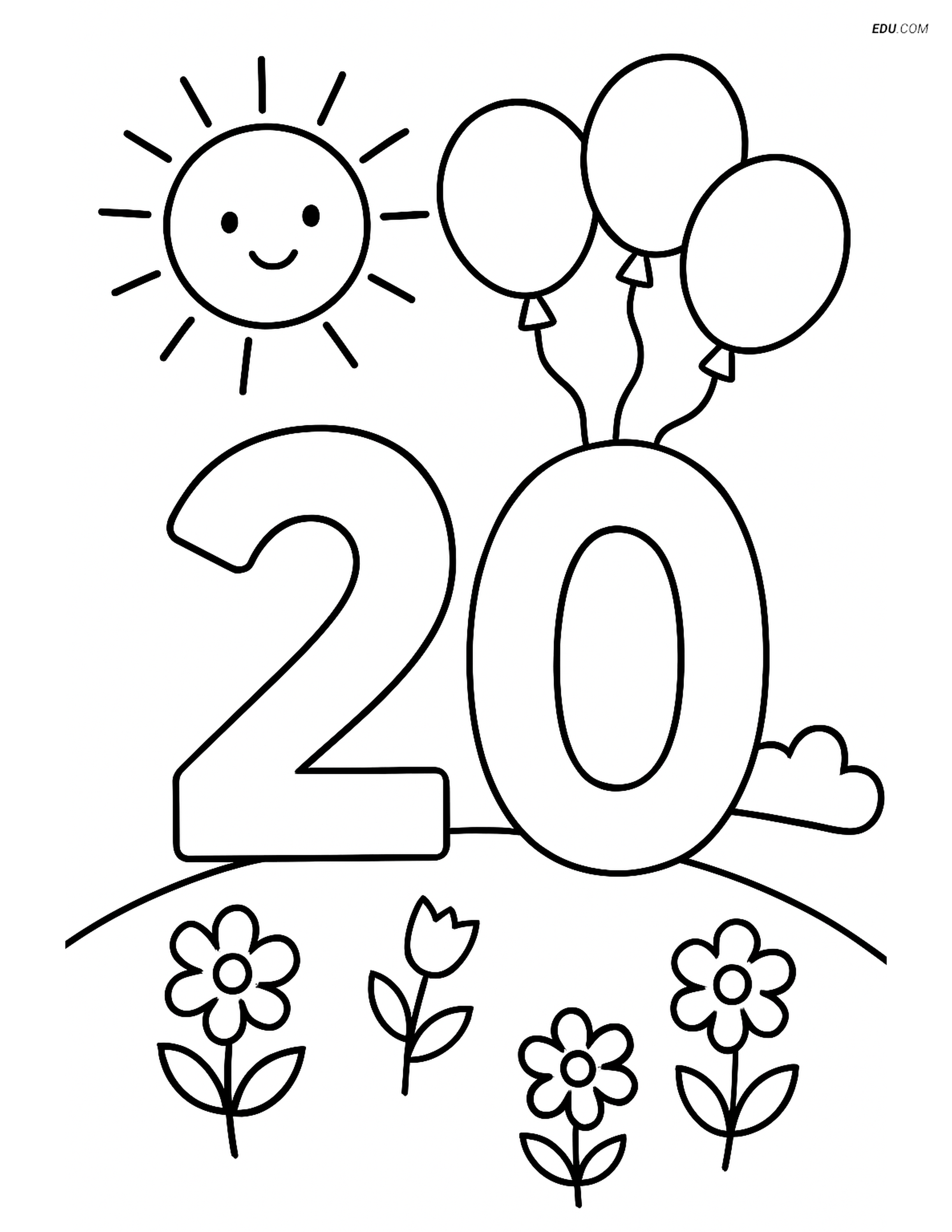
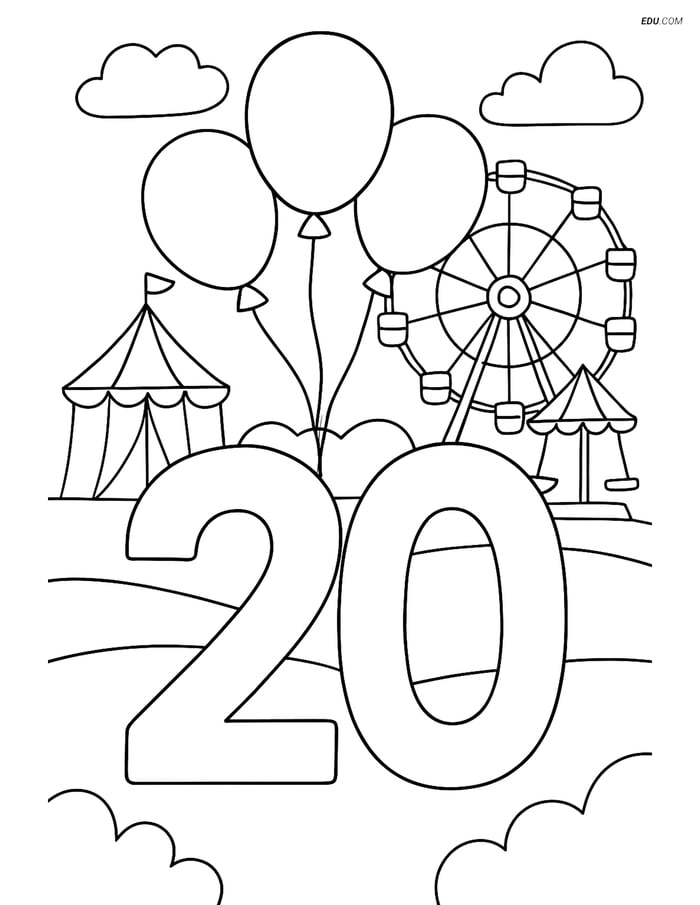
At first glance, the page presents a large, clear numeral “20” surrounded by whimsical shapes—stars, clouds, and a friendly animal mascot. Each element is outlined in thick black lines to accommodate the grip of tiny hands, while the surrounding space encourages free‑form coloring. The design includes a small number line that can be traced, reinforcing counting skills without overwhelming the child. Printable on standard 8.5 × 11 in paper, the file is ready for immediate download and requires no special software. Related guide: Baseball Glove Coloring Page.
Key Developmental Benefits
Coloring the numeral sharpens visual discrimination, as children learn to differentiate between the curved “2” and the straight “0.” The activity also strengthens hand‑eye coordination; each stroke must be guided from the crayon tip to the intended area. Repeated grasping of writing tools builds the muscles needed for later pencil use, a milestone highlighted by occupational therapists. Moreover, the act of selecting colors and applying them in a purposeful way nurtures creativity and self‑expression, laying a foundation for problem‑solving and emotional regulation.
How to Use This Coloring Page
A typical classroom routine might begin with a brief discussion about the number twenty—counting objects, recognizing the shape, and relating it to everyday experiences such as twenty crayons in a box. Following the talk, the page is distributed, and children are invited to color at their own pace. In a homeschool setting, the page can be paired with a simple math worksheet that asks the child to draw twenty items around the numeral. For parents, the printable serves as a quiet activity before bedtime or a calming option during transitions.
Practical Tips for Parents and Teachers
Begin by modeling how to hold a crayon using a tripod grasp, then allow the child to experiment with different grips. Offer a limited palette of three to four colors to prevent overwhelm and to promote decision‑making. Encourage the child to talk about the colors chosen—“the number twenty is bright orange”—to reinforce vocabulary. After coloring, ask the child to count the decorative elements, linking the visual design back to the numeral concept. Finally, display completed pages on a wall or fridge to celebrate effort and to reinforce the learning experience.
Age-Appropriate Recommendations
For toddlers (2‑3 years), focus on the act of coloring within the thick outlines; precise number recognition is less critical at this stage. According to the CDC, 85% of children develop a mature pincer grasp by age 4 — CDC. This milestone aligns with the fine‑motor demands of the page, making it an ideal activity for preschoolers. Children aged 4‑5 years can trace the number line and practice counting to twenty, meeting the NAEYC Developmentally Appropriate Practice (DAP) guideline that emphasizes “integrated literacy and numeracy experiences.” For early elementary learners (6‑8 years), challenge them to create a patterned design that uses twenty different shapes or colors, extending the activity into a cross‑curricular art‑math project.
90% of children ages 3‑5 can draw a recognizable circle — CDC
Frequently Asked Questions
The following answers address common concerns from educators and families.
Explore More Free Printable Coloring Pages
A broader collection awaits on the site, including themed options that support seasonal learning. For holiday‑related projects, explore the Holiday Object category, which offers festive shapes to color. Those seeking general practice can browse the Coloring section for a variety of numbers and shapes. Fans of storybook characters may enjoy the Character pages, while animal enthusiasts can visit the Animal gallery for creature‑filled fun. Each printable is free, high‑resolution, and ready for instant download.
Discover the free “Number 20 Coloring Page” for ages 2‑8. Learn its developmental benefits, usage ideas, age‑specific tips, and find additional printable coloring resources. Q: How can the page be downloaded and printed? A: Click the download button, save the PDF, and print on standard 8.5 × 11 in paper; no special software is required. Q: In what ways does coloring support fine‑motor and creative development? A: Coloring refines grip strength, hand‑eye coordination, and encourages color‑naming, all of which are linked to improved handwriting readiness and expressive skills. Q: Which trusted organization recommends coloring for early learning? A: The Centers for Disease Control and Prevention (CDC) cites coloring as a key activity for developing a mature pincer grasp by age 4.
Key Specifications & Age-Group Overview
| Age / Grade Group | Target Skill Focus | Recommended Medium |
|---|---|---|
| Toddlers (Ages 2–4) | Hand-eye coordination & broad motor grasp | Jumbo crayons & washable finger paints |
| Early Elementary (Ages 5–7) | Line boundaries & fine pencil control | Standard colored pencils & fine-tip markers |
| Intermediate (Ages 8+) | Color blending, shading & artistic patience | Watercolor pencils, gel pens & dual-brush markers |
Images References