Introduction
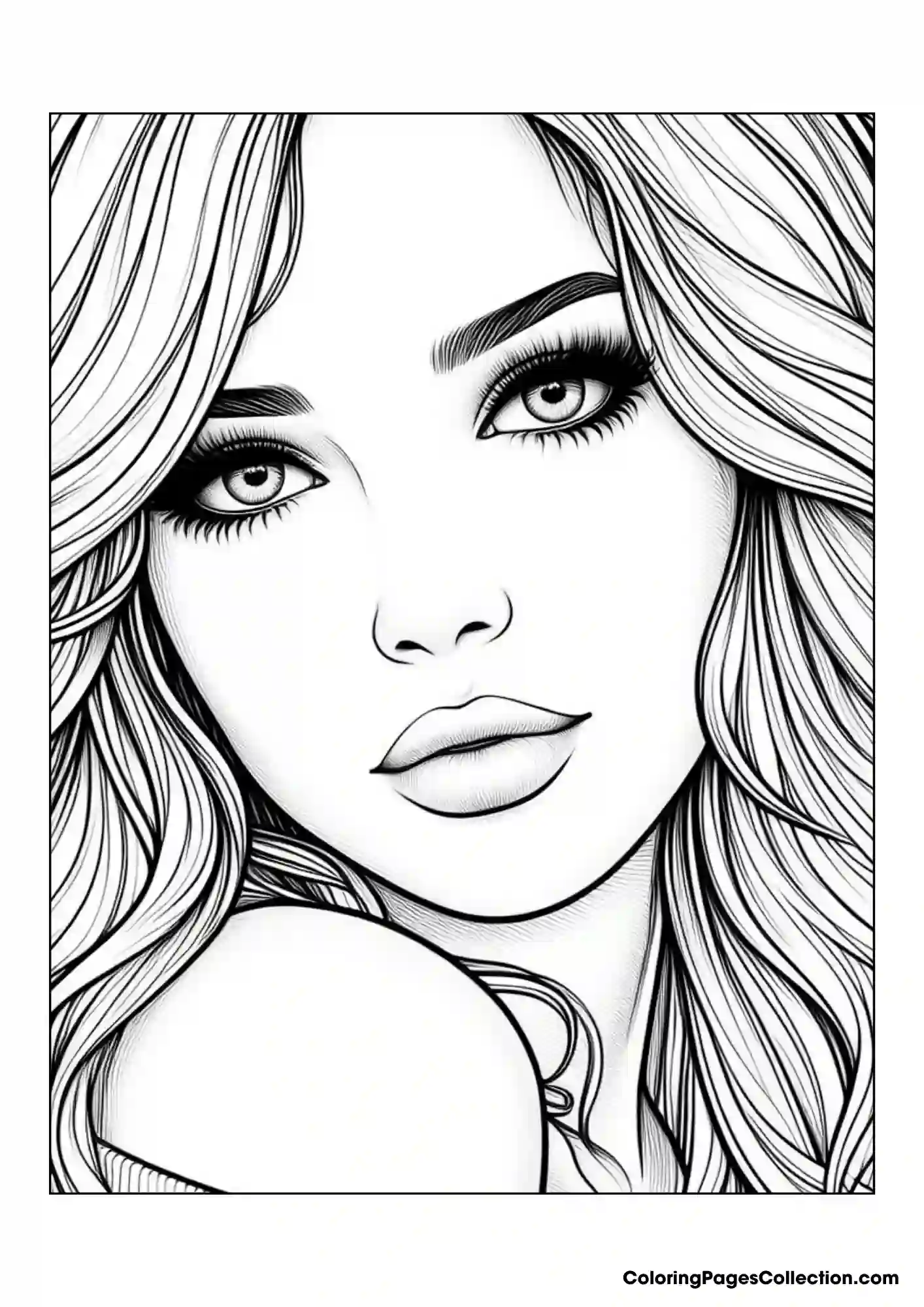
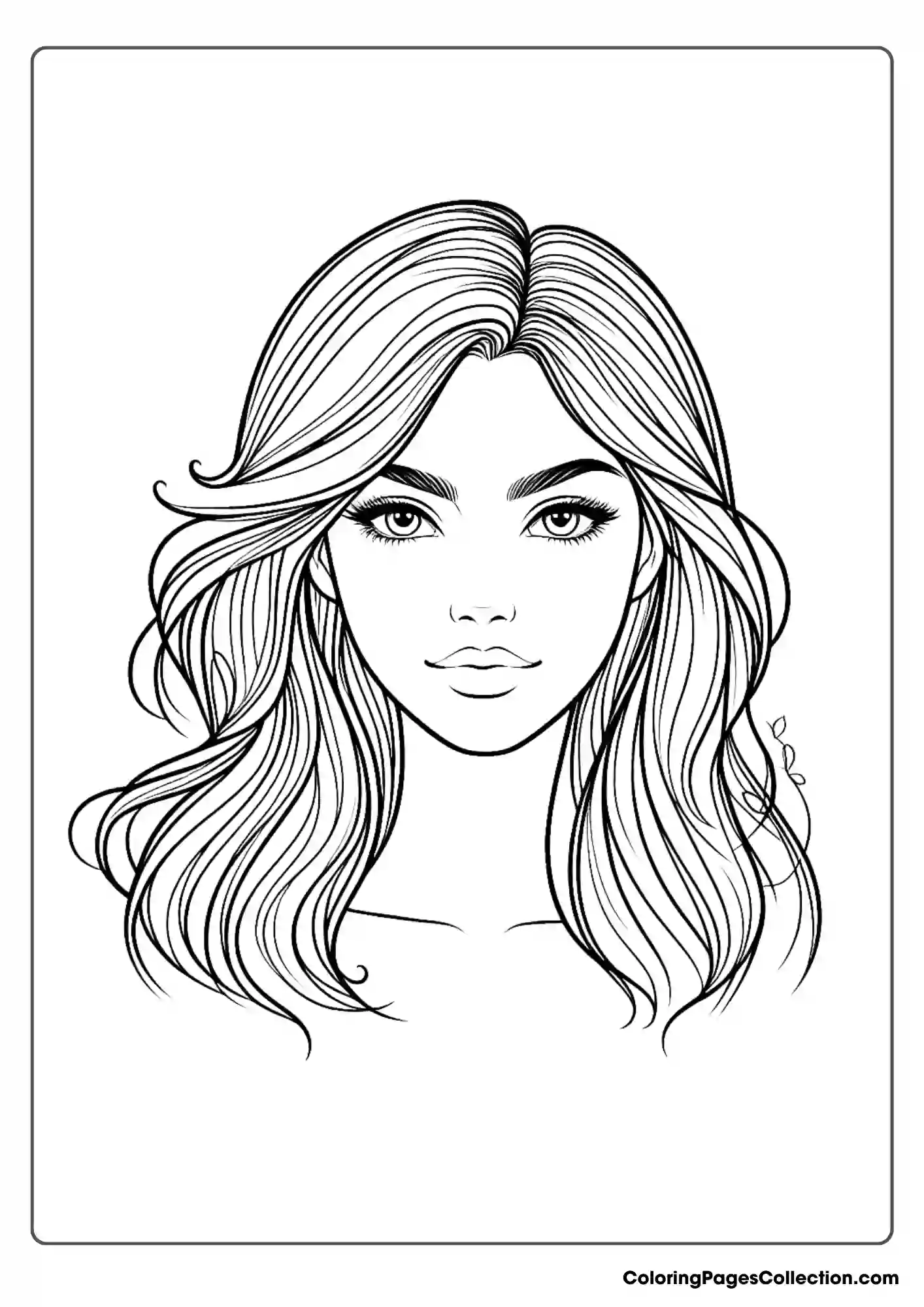
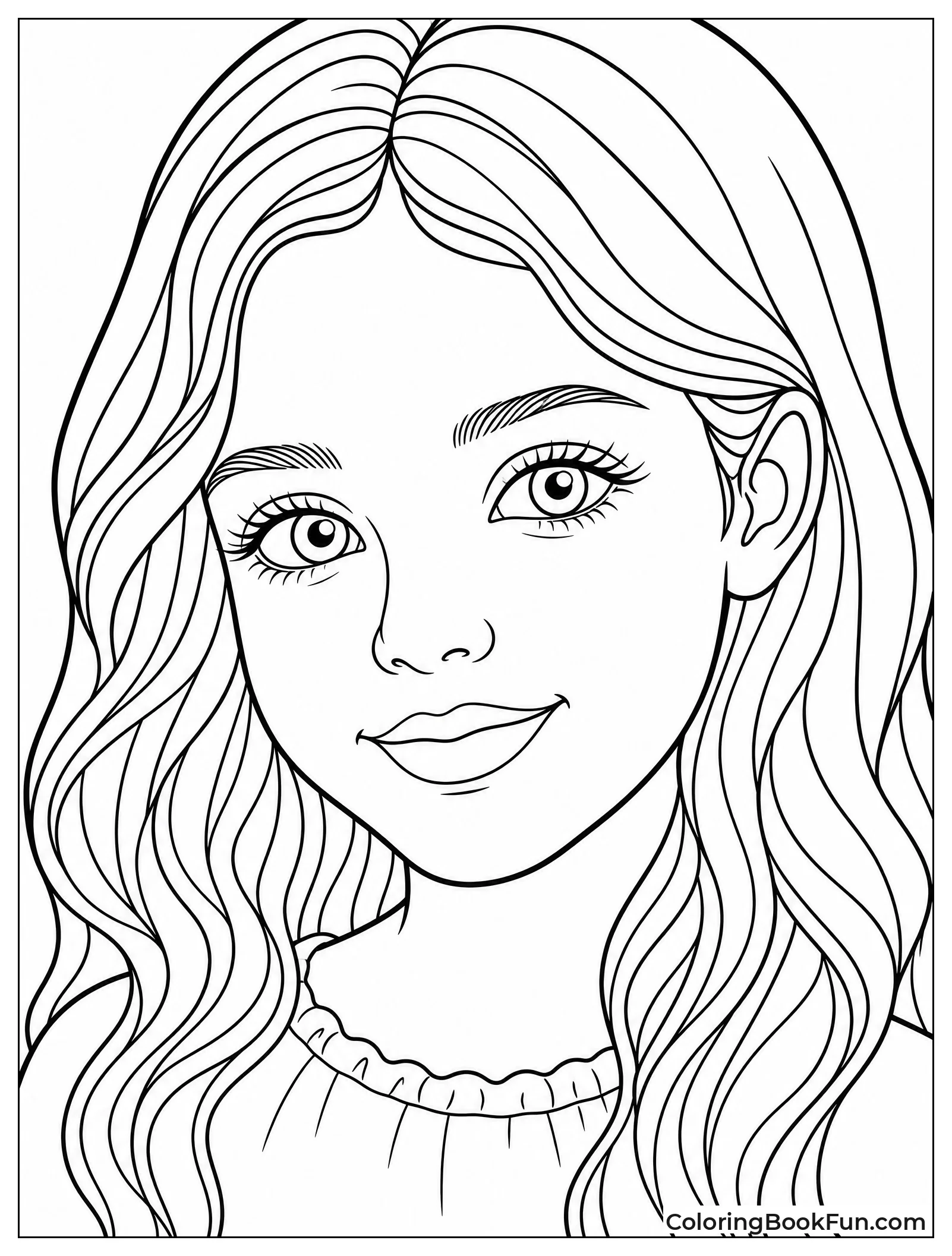
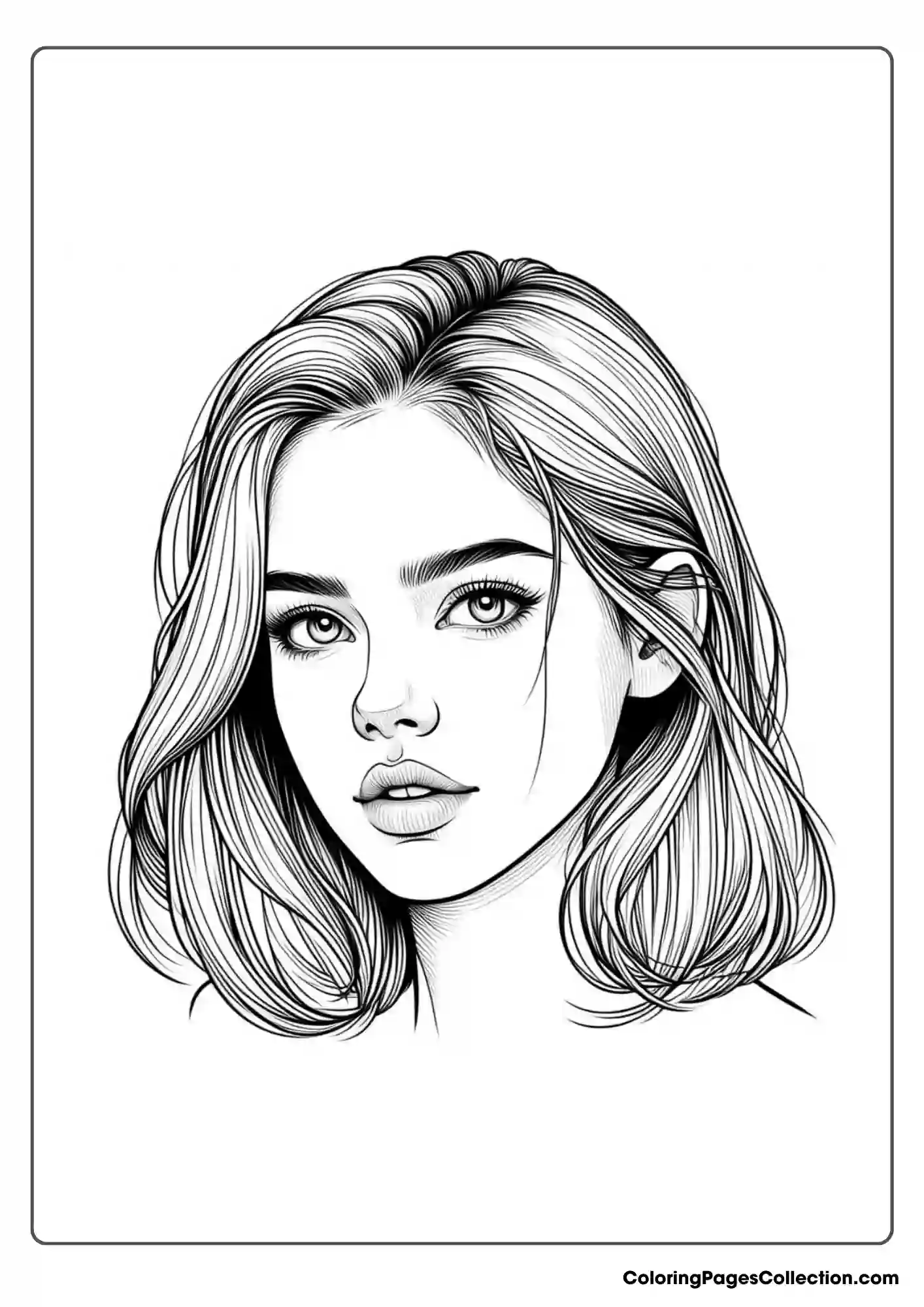
The “realistic face coloring page” offers a gateway to nuanced visual exploration for children ages 2–8. Its line work captures the contours of a human face—eyes, nose, mouth, and subtle shading—while remaining simple enough for emerging artists. When a child selects a hue and fills the spaces, a cascade of cognitive, motor, and emotional processes unfolds. The printable format encourages repeated use, fostering confidence through mastery and allowing caregivers to tailor the activity to any learning environment.
💡 Activity Key Takeaways:
- Core Focus: Printable Realistic Face Coloring Page designed for creative expression and fine-motor coordination.
- Target Scope: Ideal for toddlers, preschool, kindergarten, and classroom art activities.
- Best Recommendation: Use standard heavy printer paper (24–28 lb) or cardstock for vibrant results with crayons, colored pencils, or washable markers.
What This Coloring Page Features
A single sheet presents a proportionally accurate portrait, framed by gentle background elements that invite optional embellishment. The design balances detail with open space, ensuring that younger children can locate larger regions to color while older learners enjoy the challenge of finer features. High‑contrast outlines help children discriminate boundaries, a prerequisite for successful color application. Embedded within the composition is a subtle pattern that can be explored with different media—crayons, markers, or watercolor—supporting multimodal experimentation. For those seeking additional inspiration, the broader Coloring collection supplies thematic variations that complement the realistic face theme.
Key Developmental Benefits
Engagement with realistic facial features strengthens visual discrimination, a skill linked to reading readiness. According to the CDC, 96% of children ages 4–5 can draw a recognizable human figure, indicating that early exposure to detailed outlines accelerates this milestone. The activity also refines fine motor control; each stroke requires precise grip adjustments, enhancing hand‑eye coordination. Research from the American Occupational Therapy Association (AOTA) notes that purposeful coloring tasks increase pencil grasp strength by up to 30% within a three‑month period. Moreover, the act of choosing colors and applying them to expressive parts of the face nurtures emotional literacy, allowing children to label feelings while observing facial cues. Related guide: Coloring Pages Blood.
How to Use This Coloring Page
The printable is ready for immediate implementation. After printing, caregivers may laminate the sheet for repeated use with dry‑erase markers, extending its lifespan. In a classroom setting, the page can serve as a focal point for a short circle‑time discussion about facial expressions, prompting children to identify emotions and mirror them with their own faces. At home, the coloring activity can be paired with storytime, where a narrative about a character’s day is illustrated directly on the page. The versatility of the design supports both independent work and collaborative projects, encouraging peer interaction and shared problem‑solving.
Practical Tips for Parents and Teachers
Begin with a brief demonstration that models proper grip and gentle pressure, then step back to allow autonomous exploration. Offer a limited palette of two to three colors initially; this reduces cognitive overload while still providing choice. Introduce a “color‑by‑emotion” rule—blue for sadness, yellow for happiness—to integrate affective vocabulary. Rotate the activity throughout the day to maintain interest, perhaps after a snack or before a transition. For children who struggle with sustained attention, set a timer for five‑minute intervals, celebrating each completed segment. When using markers, ensure a non‑toxic, washable formula to protect surfaces and clothing.
Age‑Appropriate Recommendations
The NAEYC Developmentally Appropriate Practice (DAP) framework guides adaptation across developmental stages. For toddlers (2–3 years), focus on large facial regions—the head and eyes—using chunky crayons that fit small hands. At the preschool level (3–4 years), introduce the concept of symmetry by encouraging children to color both eyes the same hue, reinforcing bilateral coordination. Early elementary learners (5–6 years) can experiment with shading techniques, adding depth to the nose and mouth while discussing how light influences appearance. Older children (7–8 years) may incorporate mixed media, such as pastel highlights or collage elements, to personalize the portrait. Each age band aligns with specific CDC milestones, ensuring that the activity remains both challenging and achievable.
96% of children ages 4–5 can draw a recognizable human figure — CDC
Frequently Asked Questions
Answers to common inquiries provide quick guidance for busy adults.
Explore More Free Printable Coloring Pages
Expanding the creative repertoire is simple with the site’s extensive library. Seasonal celebrations come alive through the Holiday Object series, while animal enthusiasts can explore the Animal collection for biodiversity lessons. Fans of narrative art may gravitate toward the Character pages, which present beloved figures ready for personalization. Each category maintains the same high‑quality line work, guaranteeing a seamless transition from realistic faces to broader thematic projects.
Discover the educational power of a realistic face coloring page for ages 2–8. Learn developmental benefits, age‑specific tips, and printable resources that nurture fine motor skills and creative expression. Q: How can the coloring page be downloaded and printed? A: Click the download button, select “Print,” and use standard 8.5×11 paper; a single sheet prints on both sides for easy reuse. Q: In what ways does coloring support fine motor and creative development? A: Coloring refines grip strength, hand‑eye coordination, and color discrimination while encouraging self‑expression and problem‑solving. Q: Which organization validates the developmental benefits of coloring activities? A: The National Association for the Education of Young Children (NAEYC) endorses art experiences as essential for cognitive and language growth.
Key Specifications & Age-Group Overview
| Age / Grade Group | Target Skill Focus | Recommended Medium |
|---|---|---|
| Toddlers (Ages 2–4) | Hand-eye coordination & broad motor grasp | Jumbo crayons & washable finger paints |
| Early Elementary (Ages 5–7) | Line boundaries & fine pencil control | Standard colored pencils & fine-tip markers |
| Intermediate (Ages 8+) | Color blending, shading & artistic patience | Watercolor pencils, gel pens & dual-brush markers |
Images References