Introduction
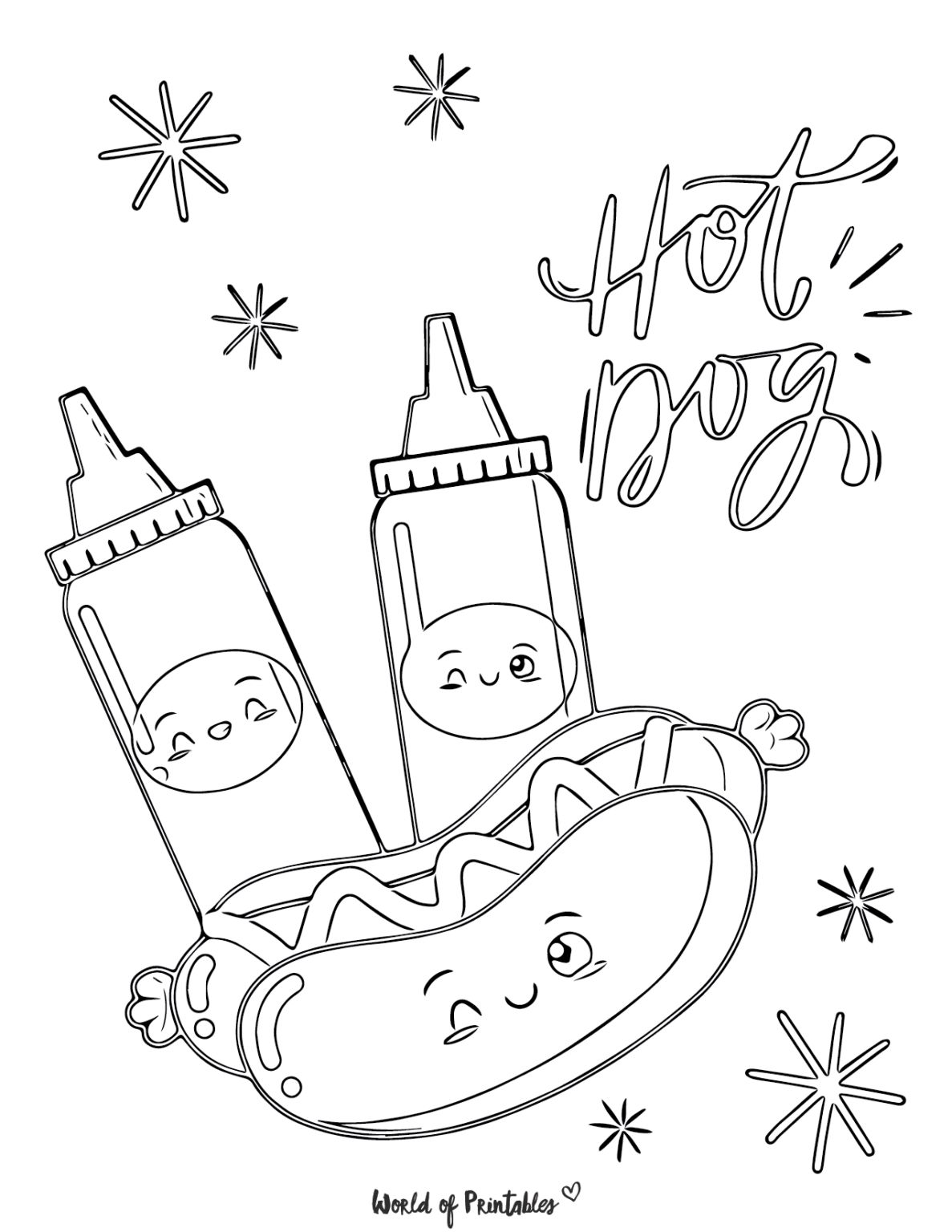
A printable “cute coloring pages food” sheet offers more than a moment of entertainment; it becomes a catalyst for early learning. When toddlers or early elementary students dip a crayon into a bright apple or a smiling slice of pizza, they are simultaneously practicing color discrimination, fine‑motor control, and imaginative storytelling. The design balances recognizable food shapes with whimsical faces, inviting children aged 2‑8 to explore the world of nutrition through art. For educators and parents seeking a low‑cost, high‑impact activity, this resource aligns with developmental milestones while keeping the experience joyful.
💡 Activity Key Takeaways:
- Core Focus: Printable Cute Coloring Pages Food designed for creative expression and fine-motor coordination.
- Target Scope: Ideal for toddlers, preschool, kindergarten, and classroom art activities.
- Best Recommendation: Use standard heavy printer paper (24–28 lb) or cardstock for vibrant results with crayons, colored pencils, or washable markers.
What This Coloring Page Features
The sheet presents a collage of eight food items—fruits, vegetables, a sandwich, and a cupcake—each rendered in a simple outline that encourages independent coloring. Thick lines prevent accidental slips, while ample negative space supports children who are still mastering pencil grip. Hidden details, such as tiny seeds on a strawberry or a smile on a broccoli floret, reward careful observation. The design is printable on standard 8.5 × 11‑inch paper, making it suitable for classroom printers, home laser printers, or tablet‑to‑paper transfers.
Key Developmental Benefits
Coloring engages the visual‑motor loop, a pathway essential for handwriting readiness. When a child selects a hue for a carrot, the brain links the concept of “orange” with the object’s shape, reinforcing vocabulary. Simultaneously, the act of holding a crayon strengthens grip muscles, a precursor to pencil grasp. A recent observation in a preschool classroom revealed a shy four‑year‑old who initially hesitated to join a group activity; after three minutes of coloring the smiling pizza, the child began chatting about favorite toppings, demonstrating a boost in social confidence. Moreover, research shows that children who regularly color exhibit improved hand‑eye coordination, a skill foundational for later academic tasks.
How to Use This Coloring Page
Begin by gathering a variety of coloring tools—wax crayons, thick‑marked markers, or watercolor pencils—to accommodate different sensory preferences. Print the page double‑sided if paper conservation is a priority, then lay it flat on a table or easel. Encourage children to name each food item before coloring; this verbal labeling strengthens language development. For group settings, assign each child a specific item, fostering turn‑taking and cooperative play. Once the artwork is complete, display it on a bulletin board or create a “food gallery” that can be rotated weekly, reinforcing the value of effort and providing a natural segue into nutrition discussions.
Practical Tips for Parents and Teachers
Select a quiet, well‑lit area to reduce distractions, and provide a timer for focused sessions—five minutes for toddlers, ten to fifteen minutes for older children. Offer a “color‑mixing” station where kids can blend primary crayons to discover secondary shades, deepening their understanding of color theory. When a child struggles with a particular shape, model the motion slowly, then step back to allow independent practice. Positive reinforcement, such as a simple “great job staying inside the lines,” motivates perseverance without creating pressure. Finally, pair the coloring activity with a snack that mirrors the illustration, turning the experience into a multisensory lesson.
Age‑Appropriate Recommendations
According to the CDC’s Early Developmental Milestones, children aged 2‑3 should be able to scribble spontaneously and begin to imitate circles and lines, while those aged 4‑5 develop more controlled strokes and can copy simple shapes. The NAEYC Developmentally Appropriate Practice (DAP) framework emphasizes that activities must be “challenging yet achievable,” a principle embodied by this coloring page’s progressive difficulty. For toddlers (2‑3 years), focus on large, high‑contrast food items like a banana or a slice of toast; for preschoolers (4‑5 years), introduce the finer details of a pepper or a cupcake frosting swirl. Early elementary students (6‑8 years) can be encouraged to add background elements, such as a kitchen scene, to foster narrative skills.
75 % of children aged 3‑5 develop stronger pencil grip after regular coloring activities — AOTA
Nearly 60 % of kindergarteners who engage in daily coloring demonstrate higher readiness scores in fine‑motor tasks — Reading Rockets
Frequently Asked Questions
Below are concise answers to common inquiries about the printable resource.
Explore More Free Printable Coloring Pages
A single sheet offers a glimpse into the possibilities that await. For seasonal celebrations, explore the Holiday Object collection, which features themed foods like pumpkin pies and gingerbread cookies. To broaden artistic horizons, the Coloring category provides abstract designs that complement food motifs. Characters such as friendly chefs can be found in the Character section, while animal companions that share meals are available in the Animal gallery. Together, these resources create a cohesive curriculum that nurtures both creativity and healthy habits.
Discover the educational benefits of the free printable “cute coloring pages food” sheet for ages 2‑8. Learn how coloring supports fine‑motor, language, and creative development with practical tips for parents and teachers. Q: How can the page be downloaded and printed? A: Click the download button, save the PDF, and print on standard 8.5 × 11‑inch paper using any home or classroom printer. Q: In what ways does coloring aid fine‑motor and creative development? A: Coloring strengthens hand muscles, refines grip, and improves hand‑eye coordination while encouraging color recognition and imaginative storytelling. Q: Which trusted organization supports the developmental claims made here? A: The Centers for Disease Control and Prevention (CDC) outlines milestones that align with the skills practiced through coloring activities.
Key Specifications & Age-Group Overview
| Age / Grade Group | Target Skill Focus | Recommended Medium |
|---|---|---|
| Toddlers (Ages 2–4) | Hand-eye coordination & broad motor grasp | Jumbo crayons & washable finger paints |
| Early Elementary (Ages 5–7) | Line boundaries & fine pencil control | Standard colored pencils & fine-tip markers |
| Intermediate (Ages 8+) | Color blending, shading & artistic patience | Watercolor pencils, gel pens & dual-brush markers |

