Introduction
A printable ostrich coloring page offers a gateway to exploration for young learners. The tall, feathered bird invites curiosity while providing a structured outline for color application. When children select crayons or markers, they encounter decision‑making moments that blend imagination with motor planning. This resource aligns with early childhood standards, supporting both visual perception and fine‑motor development.
💡 Activity Key Takeaways:
- Core Focus: Printable Ostrich Coloring Pages designed for creative expression and fine-motor coordination.
- Target Scope: Ideal for toddlers, preschool, kindergarten, and classroom art activities.
- Best Recommendation: Use standard heavy printer paper (24–28 lb) or cardstock for vibrant results with crayons, colored pencils, or washable markers.
What This Coloring Page Features
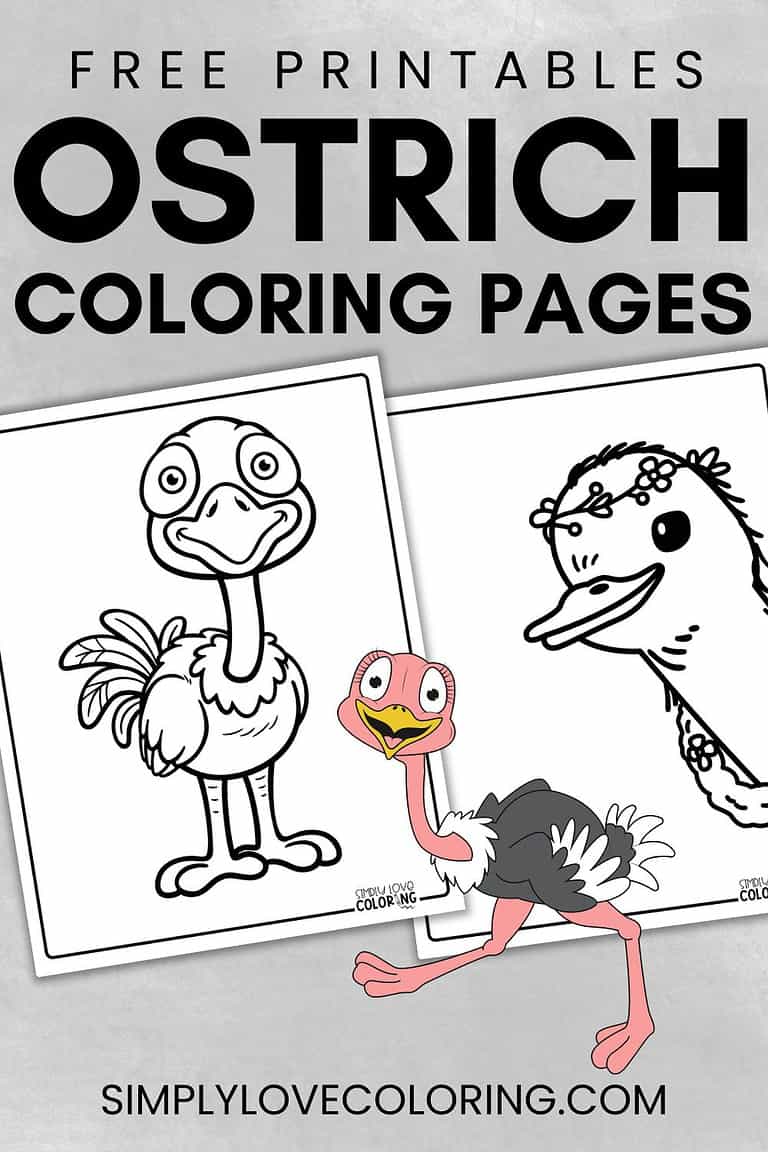
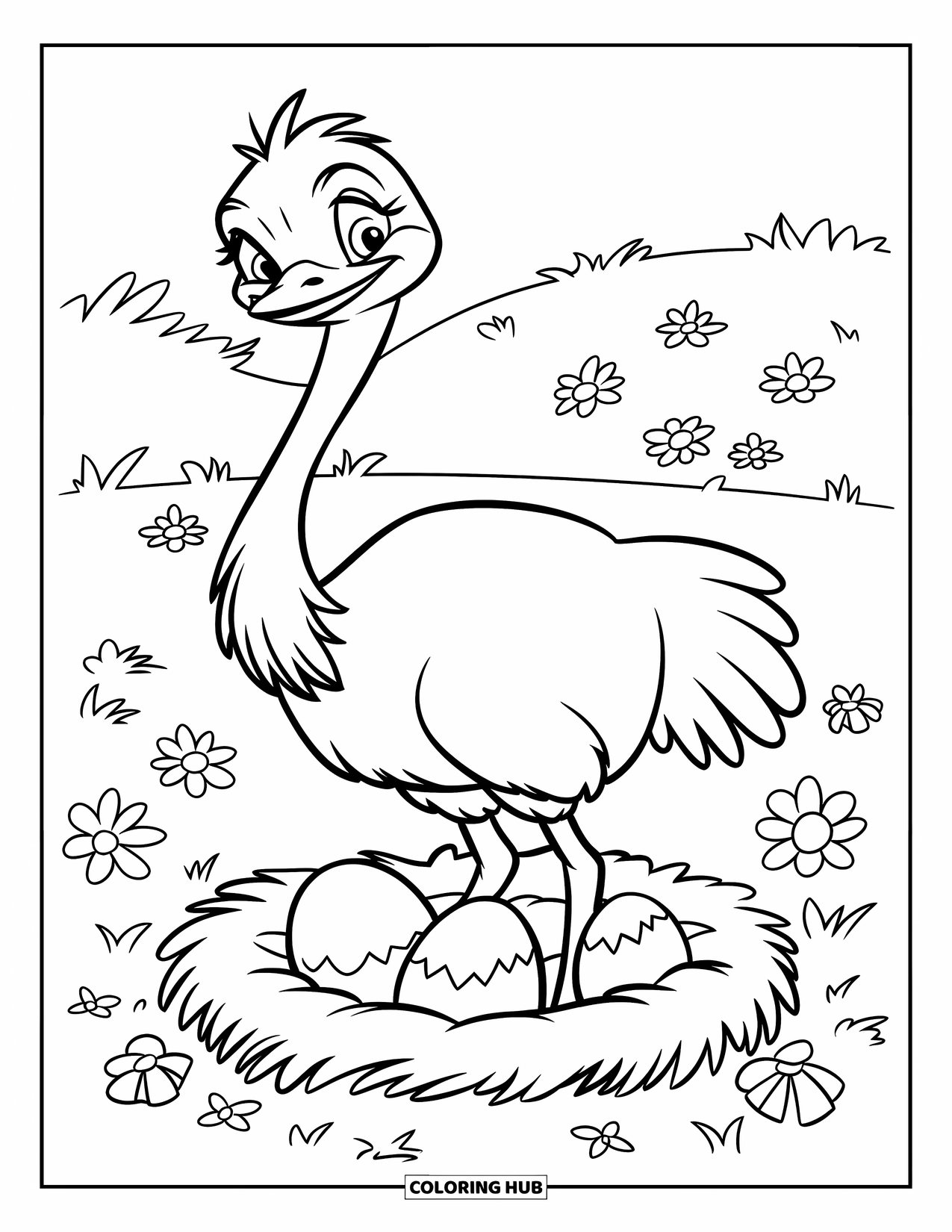
The illustration captures an ostrich in a natural pose, complete with distinctive plumage, elongated legs, and a curious expression. Bold lines frame the bird, allowing easy navigation for small hands. Space for background elements encourages optional additions, such as a savanna sun or scattered rocks, fostering creativity without overwhelming the primary subject. The design is printed on a single side of standard letter‑size paper, making it ideal for classroom bins or home activity trays.
Key Developmental Benefits
Coloring sharpens hand‑eye coordination as children trace contours and fill bounded areas. The repetitive grip required for crayons strengthens intrinsic hand muscles, a precursor to pencil grasp. Cognitive growth emerges through color recognition; selecting hues for the ostrich’s feathers reinforces vocabulary and categorization skills. Moreover, the open‑ended nature of the scene supports narrative building, prompting children to invent stories about the bird’s journey.
How to Use This Coloring Page
Print the page on plain or slightly textured paper, depending on the preferred medium. Provide a variety of coloring tools—wax crayons, thick‑marked markers, or watercolor pencils—to accommodate differing sensory preferences. Arrange the activity on a low‑table surface to ensure comfortable reach. After completion, encourage sharing of finished artwork to nurture language development and peer interaction.
Practical Tips for Parents and Teachers
Begin with a brief discussion about ostriches, highlighting their size, habitat, and unique features. This contextual talk primes vocabulary and primes the brain for visual scanning. Offer a limited palette at first, then gradually expand choices to challenge color discrimination. For children who struggle with staying within lines, introduce a “color‑by‑number” variation that reinforces number‑color pairing. When fine‑motor fatigue appears, pause for a hand‑stretch exercise—rolling a soft ball or pinching clothespins—to restore grip strength.
Age-Appropriate Recommendations
According to the CDC’s developmental milestones, children ages 2–3 begin to master basic grasp and can hold a crayon with a whole‑hand grip. By ages 4–5, the pincer grasp improves, allowing more precise line work. The NAEYC Developmentally Appropriate Practice framework emphasizes that activities should match these evolving capabilities, offering both challenge and success. For toddlers, focus on large‑scale coloring strokes and praise any attempt at staying inside the outline. Preschoolers can be guided toward shading techniques and optional background details, while early elementary learners may experiment with mixed media, adding collage elements to the ostrich scene.
Over 75 % of children aged 3–5 engage in coloring activities weekly — CDC
Frequently Asked Questions
Fine‑motor development correlates with daily coloring time — AOTA
Explore More Free Printable Coloring Pages
A broader collection invites thematic extensions, such as pairing the ostrich with seasonal elements from the Holiday Object category or combining it with other fauna in the Animal gallery. For a holistic creative experience, integrate the ostrich page into a mixed‑media session that also includes simple Coloring exercises. Teachers seeking character‑driven narratives may explore the Character selections, weaving stories that reinforce social‑emotional learning.
Discover the educational value of a free printable ostrich coloring page for ages 2–8. Learn developmental benefits, age‑specific tips, and how to integrate the activity into home or classroom settings. Q: How can the ostrich coloring page be downloaded and printed? A: The file is available as a PDF; click the download button, open the document, and print on standard 8.5 × 11 in paper. Q: In what ways does coloring support fine‑motor and creative development? A: Coloring strengthens hand muscles, refines grip, and enhances color discrimination while encouraging storytelling and imaginative expression. Q: Which organization endorses coloring as a developmental tool for young children? A: The American Occupational Therapy Association (AOTA) highlights coloring as a beneficial activity for fine‑motor skill acquisition.
Key Specifications & Age-Group Overview
| Age / Grade Group | Target Skill Focus | Recommended Medium |
|---|---|---|
| Toddlers (Ages 2–4) | Hand-eye coordination & broad motor grasp | Jumbo crayons & washable finger paints |
| Early Elementary (Ages 5–7) | Line boundaries & fine pencil control | Standard colored pencils & fine-tip markers |
| Intermediate (Ages 8+) | Color blending, shading & artistic patience | Watercolor pencils, gel pens & dual-brush markers |
Images References