Introduction
A vibrant “coco melon coloring page” offers more than a moment of leisure; it becomes a gateway to early learning for children ages 2–8. When a young hand drifts across the outline of a smiling melon, the brain simultaneously processes color, shape, and narrative. The printable format ensures that any classroom, home, or homeschool environment can provide an instant, low‑cost resource that aligns with developmental goals while sparking curiosity. Parents and educators who incorporate this page will notice how a simple sheet of paper can support fine‑motor refinement, color recognition, and emerging storytelling abilities—all essential foundations for later academic success.
💡 Activity Key Takeaways:
- Core Focus: Printable Coco Melon Coloring Page designed for creative expression and fine-motor coordination.
- Target Scope: Ideal for toddlers, preschool, kindergarten, and classroom art activities.
- Best Recommendation: Use standard heavy printer paper (24–28 lb) or cardstock for vibrant results with crayons, colored pencils, or washable markers.
What This Coloring Page Features
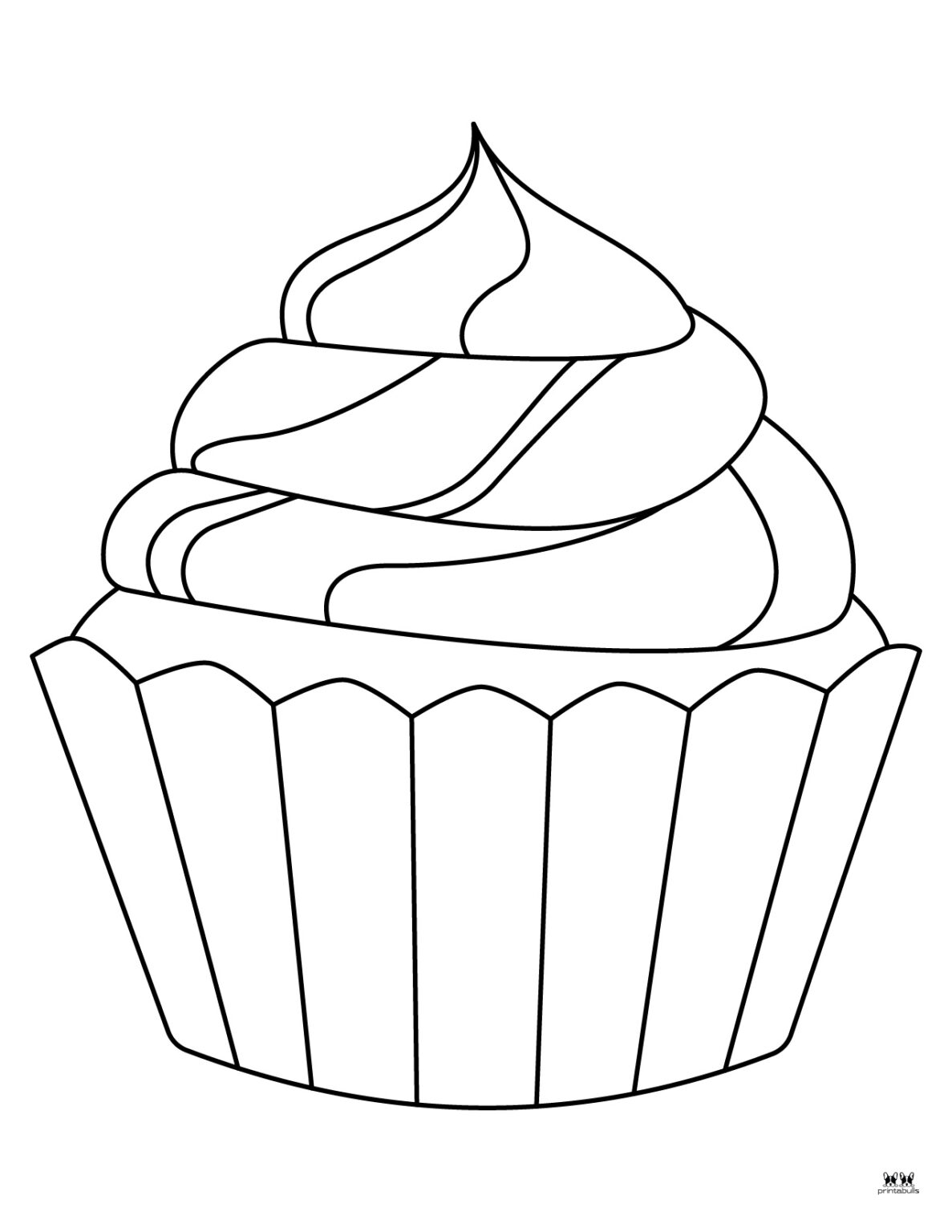
The design presents a cheerful coco melon character surrounded by friendly sea‑creature friends, each outlined with bold, easy‑to‑follow lines. Large spaces accommodate the grip of a toddler’s fist, while finer details invite older children to experiment with shading and pattern. The page includes a subtle background of waves and bubbles, encouraging children to add their own hues and create a personalized scene. Printable at standard 8.5 × 11 inches, the file is ready for immediate use, and the high‑contrast outlines reduce visual strain for emerging eyes. Related guide: Anakin Skywalker Coloring Page.
Key Developmental Benefits
Coloring supports the refinement of the pincer grasp, a skill that underlies writing, buttoning, and self‑feeding. As a child selects a crayon, rotates the wrist, and applies pressure, the muscles of the hand and forearm engage in coordinated activity. Observation during a preschool morning circle revealed that children who spent ten minutes coloring the coco melon began to use a more mature tripod grasp when later assembling puzzles. Moreover, the act of choosing colors reinforces color vocabulary and categorization, laying groundwork for science and math concepts. Narrative elements—such as the melon’s smile and the sea friends’ expressions—invite storytelling, which research links to language development and executive‑function growth.
How to Use This Coloring Page
Begin by presenting the printed sheet on a stable surface, ideally a low table that matches the child’s height. Offer a selection of crayons, markers, or watercolor pencils to accommodate different sensory preferences. Encourage the child to name each element before applying color: “What color is the melon? What color are the fish?” This verbal cue transforms a passive activity into an interactive learning moment. After the initial coloring session, ask open‑ended questions about the scene—“Where might the melon be swimming?”—to promote imaginative extension beyond the page.
Practical Tips for Parents and Teachers
Rotate the coco melon page with other themes from the site’s Character collection to maintain novelty and broaden exposure to diverse characters. Pair the activity with a brief movement break; children who stretch their arms before coloring often demonstrate steadier strokes. For children who struggle with grip, a rolled‑up towel under the wrist can provide additional support. Document finished pages in a portfolio to track progress over weeks; the evolving quality of lines and color choices serves as a visual record of motor and cognitive growth.
Age-Appropriate Recommendations
According to the CDC, 75% of 2‑year‑olds develop a mature tripod grasp—a milestone that aligns with the large, open spaces of the coco melon design. For toddlers (2–3 years), focus on broad strokes and encourage the use of a thick‑bodied crayon. Preschoolers (4–5 years) can explore finer details, such as adding patterns to the waves, while practicing a more controlled grip. Early elementary children (6–8 years) may incorporate shading techniques and narrative captions, turning the page into a storybook illustration. These recommendations echo the NAEYC Developmentally Appropriate Practice framework, which emphasizes matching activities to children’s evolving abilities.
75% of 2‑year‑olds develop a mature tripod grasp — CDC
Frequently Asked Questions
Answers to common queries about the coco melon coloring page help families maximize its educational impact.
80% of children show improved hand strength after regular coloring — AOTA
Explore More Free Printable Coloring Pages
The site hosts a range of complementary resources that extend learning beyond the coco melon theme. Seasonal selections within the Holiday Object category introduce cultural concepts while reinforcing fine‑motor practice. For broader creative exploration, the Coloring collection offers abstract patterns and nature scenes that challenge older children to experiment with color blending. Finally, the Animal series provides opportunities to discuss habitats and animal characteristics, linking art to science curricula.
Discover the educational benefits of the free coco melon coloring page for ages 2‑8. Learn how this printable supports fine‑motor development, color recognition, and creative storytelling for parents, teachers, and homeschoolers. Q: How can the coco melon coloring page be downloaded and printed? A: Click the download button, save the PDF, and print on standard 8.5 × 11 inch paper using any printer. Q: In what ways does coloring aid fine motor and creative development? A: Coloring strengthens hand muscles, refines grip, and encourages color naming, pattern creation, and narrative thinking. Q: Which trusted organization supports the link between coloring and motor skill growth? A: The American Occupational Therapy Association (AOTA) cites coloring as an effective activity for improving hand strength and coordination.
Key Specifications & Age-Group Overview
| Age / Grade Group | Target Skill Focus | Recommended Medium |
|---|---|---|
| Toddlers (Ages 2–4) | Hand-eye coordination & broad motor grasp | Jumbo crayons & washable finger paints |
| Early Elementary (Ages 5–7) | Line boundaries & fine pencil control | Standard colored pencils & fine-tip markers |
| Intermediate (Ages 8+) | Color blending, shading & artistic patience | Watercolor pencils, gel pens & dual-brush markers |