Introduction
A free printable titled “boys coloring pages” offers a gateway to purposeful play for children ages two through eight. The design balances bold outlines with open spaces, inviting young hands to explore line, shape, and color. When a child selects a crayon and fills a scene, a cascade of developmental processes begins—hand‑eye coordination, color discrimination, and narrative imagination all emerge simultaneously. The resource aligns with early‑learning standards while remaining approachable for families, teachers, and homeschool environments seeking a low‑cost, high‑impact activity.
💡 Activity Key Takeaways:
- Core Focus: Printable Boys Coloring Pages designed for creative expression and fine-motor coordination.
- Target Scope: Ideal for toddlers, preschool, kindergarten, and classroom art activities.
- Best Recommendation: Use standard heavy printer paper (24–28 lb) or cardstock for vibrant results with crayons, colored pencils, or washable markers.
What This Coloring Page Features
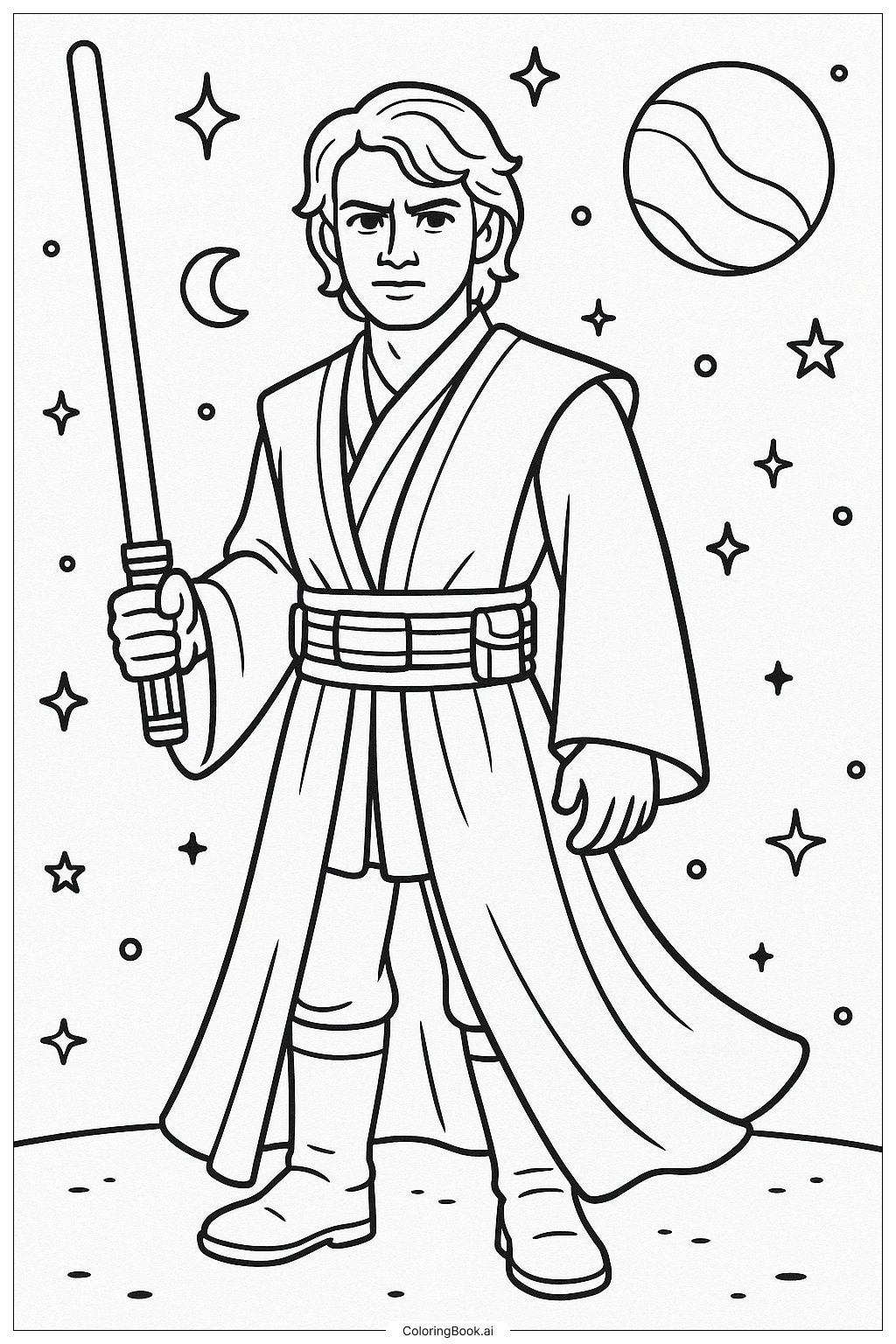
The page presents a lively tableau of boys engaged in everyday adventures: building a fort, riding a scooter, and playing catch. Each figure is rendered in a simple, thick‑lined style that supports a tripod or palmar grasp, reducing frustration for emerging fine‑motor skills. Background elements—trees, clouds, and a distant house—provide optional detail for older children who crave complexity. The layout is deliberately uncluttered, allowing caregivers to introduce optional prompts such as “What color is the scooter?” or “Where will the fort be built?” without overwhelming the learner. Related guide: Tree House Coloring Pages.
Key Developmental Benefits
Coloring cultivates a suite of competencies that extend far beyond aesthetic outcomes. The act of selecting a hue reinforces color vocabulary, a foundational literacy skill emphasized by Reading Rockets as essential for emergent reading. Simultaneously, the repetitive motion of drawing within lines strengthens the small muscles of the hand, a prerequisite for writing. A classroom observation of a four‑year‑old demonstrated that after thirty minutes of coloring, the child transitioned to independent pencil tracing with noticeably steadier strokes. Another observation captured a group of second‑graders using the same page to practice storytelling, linking visual cues to language development. Moreover, the activity supports emotional regulation; the rhythmic motion of coloring can calm a child who is overstimulated, providing a quiet focus point during busy school days.
90% of preschool‑age children benefit from regular coloring activities — CDC
How to Use This Coloring Page
Begin by printing the page on standard 8.5 × 11‑inch paper; the high‑contrast outlines remain clear even after multiple copies. Provide a selection of crayons, washable markers, or colored pencils, allowing the child to experiment with different media. Encourage the child to name each color before applying it, reinforcing auditory‑visual connections. For collaborative settings, assign roles—one child colors the foreground while another adds background details—promoting turn‑taking and shared decision‑making. After completion, discuss the narrative: “What might happen next?” or “How does the scene make you feel?” This dialogue bridges artistic expression with language growth.
Practical Tips for Parents and Teachers
Select tools appropriate to the child’s grip strength: thick‑handled crayons for toddlers, fine‑pointed pencils for older learners. Position the work surface at a comfortable height to avoid shoulder strain; a table set at elbow level supports optimal posture. Incorporate a timer for children who become fixated on a single area, gently prompting them to explore other sections of the page. Pair the coloring activity with related books or videos—such as a story about building forts—to reinforce thematic connections. Finally, display finished artwork on a bulletin board or fridge; visible recognition boosts confidence and encourages repeated engagement.
Age‑Appropriate Recommendations
Developmental milestones guide the selection of complementary tasks. For ages two to three, focus on large, simple shapes and encourage the use of a palmar grasp; the CDC’s milestones note that children should be able to hold a crayon with this grip by age two. Ages four to five benefit from introducing a tripod grasp and prompting color naming, aligning with the NAEYC Developmentally Appropriate Practice (DAP) framework that stresses language integration. Children six to eight can be challenged to add details, such as patterns on clothing, fostering fine‑motor precision and creative storytelling. Throughout each stage, the coloring page can be adapted to meet the learner’s evolving abilities.
78% of early‑childhood programs incorporate daily coloring — NAEYC
Frequently Asked Questions
Answers to common queries are provided below, offering quick guidance for busy educators and caregivers.
Explore More Free Printable Coloring Pages
The “boys coloring pages” resource is part of a broader collection designed to support thematic learning. For seasonal projects, explore the Holiday Object series, which blends festive symbols with familiar shapes. The broader Coloring category offers additional printable options ranging from simple patterns to intricate scenes, suitable for a variety of skill levels. For character‑driven narratives, the Character pages provide recognizable heroes that spark imagination. Finally, the Animal collection invites children to explore the natural world through color, reinforcing science concepts alongside artistic expression.
Discover the educational benefits of the free “boys coloring pages” printable. Learn how coloring supports fine‑motor skills, color recognition, and creative storytelling for children ages 2‑8. Q: How can the page be downloaded and printed? A: Click the download button, save the PDF, and print on standard 8.5 × 11‑inch paper; multiple copies retain clear outlines. Q: In what ways does coloring aid fine‑motor and creative development? A: Coloring refines grip strength, hand‑eye coordination, and encourages narrative thinking, linking motor skill to language growth. Q: Which trusted organization supports coloring as a developmental activity? A: The Centers for Disease Control and Prevention (CDC) highlights coloring as beneficial for preschool‑age fine‑motor development.
Key Specifications & Age-Group Overview
| Age / Grade Group | Target Skill Focus | Recommended Medium |
|---|---|---|
| Toddlers (Ages 2–4) | Hand-eye coordination & broad motor grasp | Jumbo crayons & washable finger paints |
| Early Elementary (Ages 5–7) | Line boundaries & fine pencil control | Standard colored pencils & fine-tip markers |
| Intermediate (Ages 8+) | Color blending, shading & artistic patience | Watercolor pencils, gel pens & dual-brush markers |